
RUISLIP · HA4 · AVAILABLE 24/7
Squirrel Control Ruislip
Squirrel control in a roof space begins with identification and a safe access assessment. We consider the evidence, the building and the legal constraints before discussing suitable action. The work also needs a plan for reviewing activity and addressing the route without trapping animals within the structure.
01
LISTEN AND LOOK
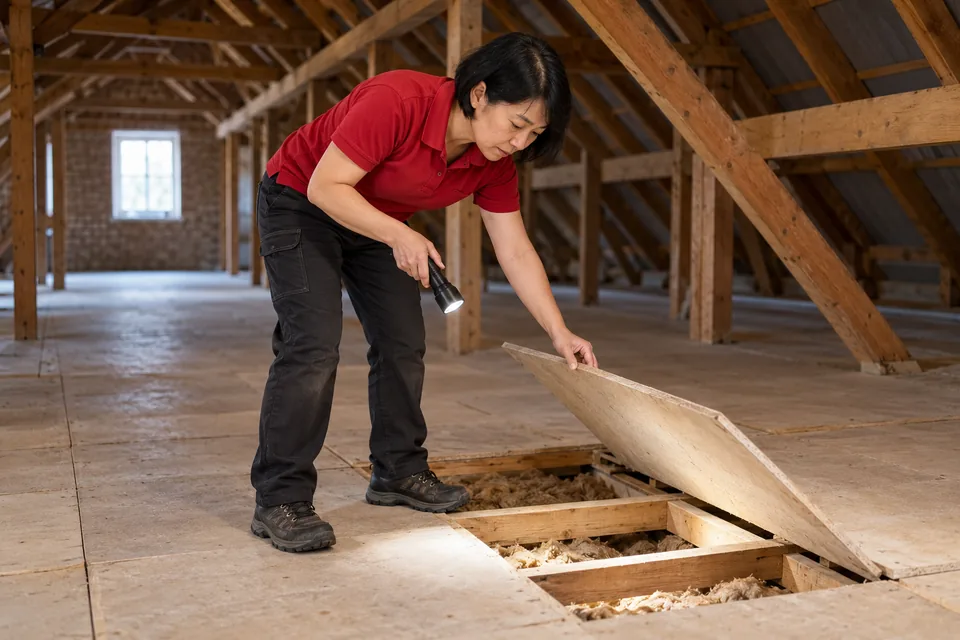
Establish what is using the roof
The timing of movement, a visible animal and accessible signs help assess the problem. Loft noise alone cannot establish the species, and a roof-space concern is not the same as garden activity.
- Describe the timing and position of loft movement
- Check squirrel identification against accessible evidence
02
ASSESS ACCESS
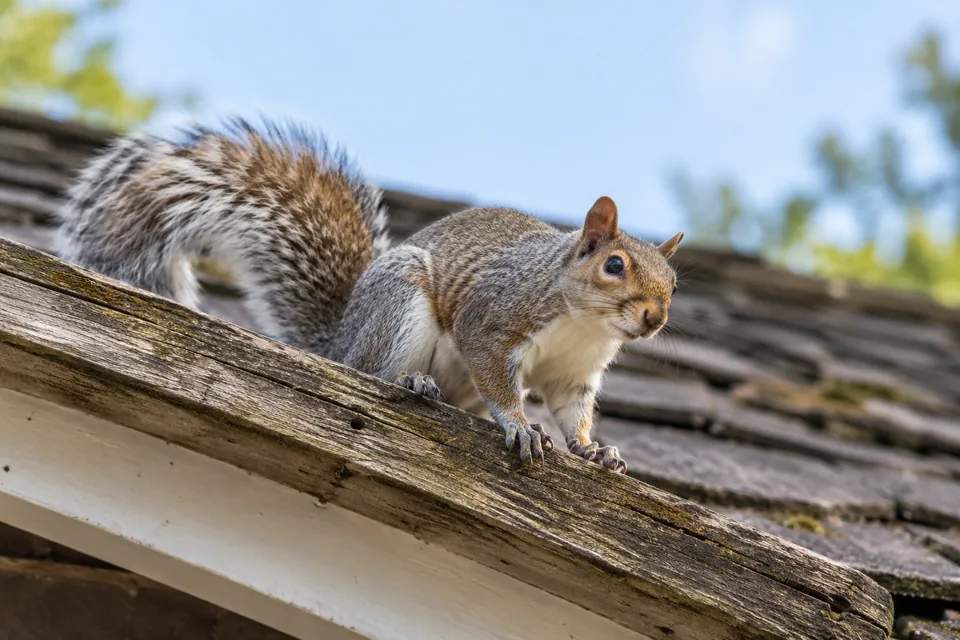
Inspect the approach to the roof
We consider visible defects, possible climbing connections and safe internal access. The inspection records areas that cannot be reached and whether another trade is needed to examine or repair the building fabric.
- Assess the loft opening before entering the space
- Record visible roof defects from a safe position
03
LAWFUL ACTION
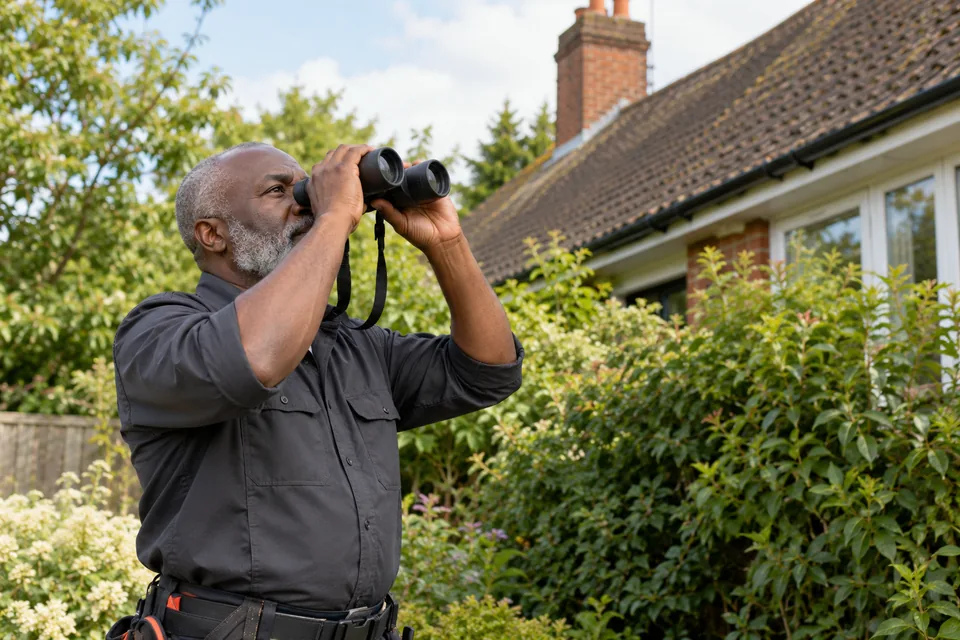
Discuss a suitable and lawful response
Species, welfare and non-target wildlife affect the options. We explain the proposed approach and responsibilities before work, rather than promising relocation or specifying a control method without assessing the situation first.
- Discuss squirrel welfare and species constraints
- Agree responsibility for any control checks required
04
SEQUENCE REPAIRS
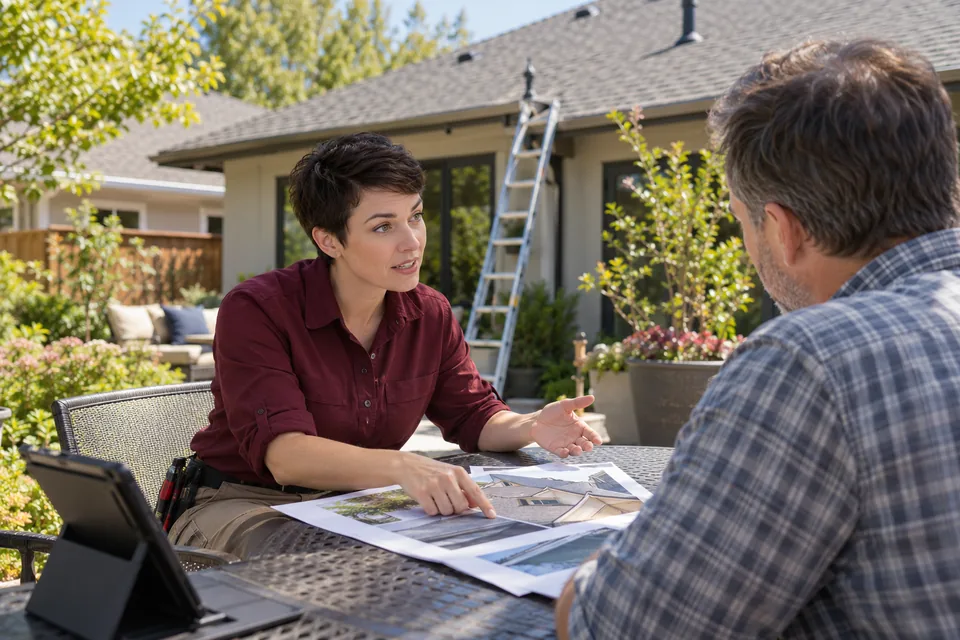
Review occupancy before closing roof routes
A roof defect needs attention at the appropriate stage. We discuss the evidence needed before proofing, who can undertake the repair and how later movement or damage should be reported.
- Review squirrel activity before sealing roof access
- Coordinate suitable repairs with the responsible roofer
START FROM A SAFE POSITION
Do not turn a loft concern into an access risk
When you call, describe where the sound comes from and when it happens. Explain whether you have seen an animal entering, rather than assuming that every roof noise is a squirrel. Tell us about the loft hatch, lighting, stored items and any known damage. A photograph taken safely from the ground can help with the enquiry, but there is no need to climb, enter an unboarded area or approach an animal.
The inspection needs arrangements that suit the actual space. Roof voids may contain fragile ceilings, restricted footing, wiring or other hazards. Access that appears straightforward from below may not allow a full examination. We discuss what can be inspected safely and record limits. If a roof defect or electrical concern needs another specialist, that work should be identified separately rather than treated as part of a routine pest control visit.
LEGAL CONSTRAINTS IN ENGLAND
Species and welfare shape the available actions
Identification is important before any control decision. Grey squirrels are subject to restrictions on deliberate capture and subsequent release; moving a deliberately trapped grey squirrel elsewhere is not an ordinary relocation option. Red squirrels have legal protection. Other protected wildlife may also affect roof work. We do not decide that an animal can be treated simply because it was found in a loft.
Any proposed action must be lawful and avoid unnecessary suffering. The method and equipment have to be suitable for the identified species and circumstances, and non-target animals must be considered. We explain the proposed responsibilities and practical arrangements before control begins. If identification or the presence of protected wildlife remains uncertain, the appropriate next step is further assessment or specialist advice rather than proceeding on an assumption.
Small signs around cupboards or pipework may point to another rodent; compare the low-level mouse inspection. Mice Control Ruislip ↗
| Question | Why it matters | What must be established |
|---|---|---|
| Which species is involved? | Legal protection and permitted actions differ | Identification before a method is selected |
| Could other wildlife be present? | Protected species can affect roof work | Relevant assessment or specialist advice |
| Is relocation being requested? | A deliberately trapped grey squirrel cannot simply be released elsewhere | A lawful response instead of a relocation promise |
| Can the equipment be managed safely? | Welfare and non-target animals must be considered | Suitable placement and agreed checking arrangements |
INSIDE AND OUTSIDE THE ROOF
Look at the space and the route together
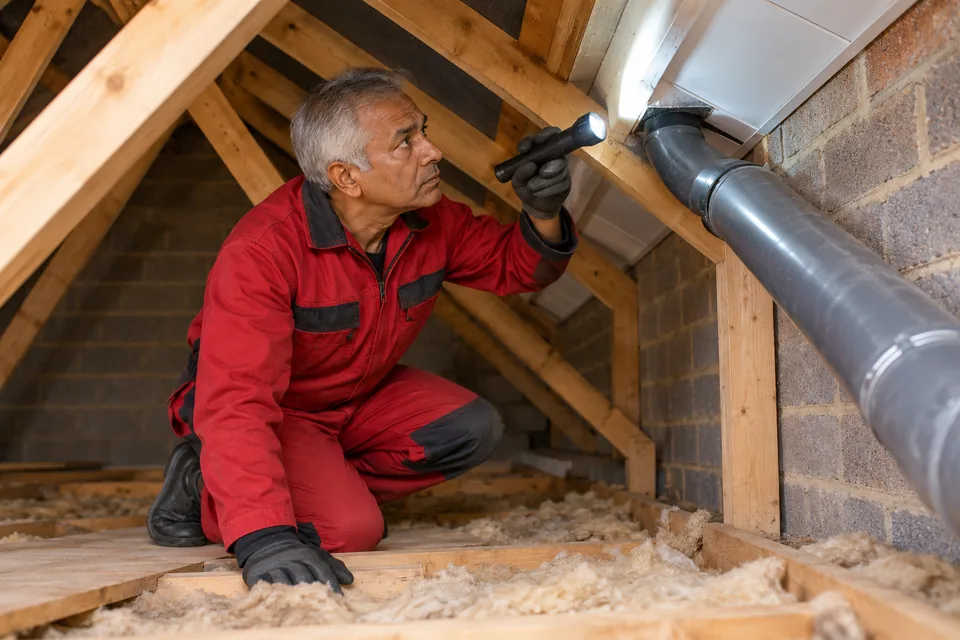
Accessible loft evidence can include disturbed materials, gnawing and signs around the route being used. The technician compares these with reported movement and any confirmed sighting. A torch and inspection tools can help examine reachable edges, but they do not remove the limits of an unboarded or obstructed void. Explain past repairs and earlier control so that remaining marks are not automatically treated as current activity.
From a safe exterior position, the assessment considers visible roof defects and possible connections to nearby structures or vegetation. A squirrel seen on a roof does not, on its own, prove which opening it uses. Where the route cannot be established from accessible evidence, further access or a roofer’s assessment may be needed. The recommendations should distinguish confirmed findings, plausible routes and defects that remain unverified.
PLAN THE SEQUENCE
An apparently empty space may still need assessment
The decision to close an opening needs to account for the possibility that animals remain within the building. A period without audible movement does not establish that a void is empty. Where nesting or dependent young may be relevant, these circumstances need assessment before work is agreed. Avoid removing suspected nesting material or altering the route to test whether something is inside.
We discuss how the control proposal and later proofing fit together, including who can authorise the work. In a rented or shared building, a landlord or managing agent may control the roof fabric and access arrangements. One occupier should not have to guess whether a neighbour’s eaves are connected. If coordinated inspection is necessary, the limits and permissions should be clear before you book a repair that may not resolve the actual route.
Burrows or repeated ground-level activity are considered through the rat service rather than assumed to explain roof movement. Rat Control Ruislip ↗
BEFORE AGREED WORK
Prepare access and share the right information
Tell us who will be present and which parts of the property can be accessed. Keep children and pets away from the work area, and explain any route through an occupied room to reach the loft. Do not move heavy stored items, disturb contamination or open a concealed space without advice. Safe preparation is about making the agreed assessment possible, not clearing an entire loft yourself.
Mention any traps, deterrents or products that have already been used. These may affect interpretation of the signs and the practical arrangements. If an animal is injured, confined or in an occupied room, describe that situation immediately and avoid handling it. The response to an animal welfare concern can differ from a routine roof-space booking, so the circumstances need to be understood during the call.
Access controlled by someone else
Arrange permission for a shared hatch or communal roof space. Confirm the contact who can authorise pest work and separate fabric repairs before the appointment.
Potential damage to wiring or fittings
Report visible damage without touching wiring or dismantling equipment. A pest inspection is not an electrical safety test; appropriate building or electrical specialists may be required.
CHECKS, ACCESS AND COMMUNICATION
Make the proposed control arrangements explicit
The chosen action follows the species assessment, the area involved and safe access. We do not promise one device or procedure for every squirrel enquiry. Where a lawful control measure requires checks or later attendance, those arrangements need to be explained and agreed. Ask who is responsible, how access will be maintained and what you should do if the situation changes between visits.
Keep a dated record of fresh sounds, sightings or new damage, but do not inspect or interfere with control equipment yourself. Report movement in a different area and any repair undertaken after the original assessment. The review should use that information alongside the technician’s findings. If evidence persists, it may be necessary to reconsider an unexamined part of the route rather than close the same opening again without explanation.
See how the overall service moves from evidence to suitable treatment and practical aftercare. Ruislip pest inspection and prevention ↗
LIMIT FURTHER ACCESS
Roof repair is a coordinated final stage
A prevention recommendation needs to identify the relevant roof opening or access condition and who can remedy it. Soffits, fascia details and other building elements require suitable materials and competent repair. Some work may need a roofer and appropriate access equipment. The pest inspection should not be read as a quotation for structural repairs or as assurance about every part of the roof.
The timing of proofing follows the occupancy and control assessment. Agree when the repair can take place and how the result will be checked. Where branches or climbing connections are relevant, discuss them with the responsible person rather than carrying out unplanned tree work. Keep the inspection notes for later maintenance, particularly if a future repair changes an opening or creates access that was not present during the visit.
| Building issue | Before closing it | Responsibility to agree |
|---|---|---|
| Opening near eaves | Assess the route and remaining occupancy | Pest technician and person arranging repair |
| Damaged soffit or fascia | Define the repair scope and safe access | Suitable building or roofing contractor |
| Shared roof connection | Establish permission and connected areas | Landlord or managing agent where applicable |
| Climbing connection near the roof | Confirm whether it is relevant to the findings | Property owner or appropriate maintenance contractor |
QUOTE ACCESS AND SCOPE
Squirrel control from £273
The confirmed starting amount is From £273. The quote depends on the evidence, safe access, proposed action and any agreed attendance or review. Tell us whether the problem is within a loft, another building void or an occupied room. Ask for the total payable and what is included. Roof repairs, specialist access and other trade work must be identified separately where they fall outside the agreed pest service.
Our team is available to call 24/7. Explain an urgent welfare or occupancy concern clearly, including whether an animal is confined or damage is affecting the use of a room. We discuss the appropriate next step and appointment availability on the call. Do not attempt to corner, catch or transport the animal while waiting for advice.
Describe the loft access, timing of movement and any confirmed animal sighting when you contact the team. Discuss your roof-space concern ↗
Questions about squirrel control
Can you identify a squirrel from the time of the noise?
Timing can help the assessment, but it is not a species diagnosis. Explain where movement occurs, whether you have seen an animal and what accessible signs are present. The technician compares this information before recommending squirrel-specific action or deciding further evidence is needed.
Can a grey squirrel be caught and released in another park?
A deliberately trapped grey squirrel cannot simply be released elsewhere. This affects what a lawful control service can offer. We discuss the species, circumstances and appropriate action before work, rather than promising relocation that would not comply with the relevant restrictions.
Should a roofer seal the hole before your visit?
Seek advice before closing a route that may still be in use. Animals could remain within the structure, and the visible defect may not be the only connection. The inspection helps coordinate the control assessment and the timing of an appropriate repair.
Does the squirrel visit include checking electrical wiring?
The technician can record visible concerns encountered during the accessible inspection, but this is not an electrical safety test. Tell us about suspected damage during the enquiry. An appropriate electrical specialist should assess wiring or equipment that may require repair or isolation.
What happens if the loft cannot be entered safely?
The visit must respect the access limits. We explain which evidence can be assessed from accessible positions and whether further arrangements or another specialist are needed. You should not enter an unboarded void or move hazardous material to make access appear easier.
Is a squirrel in the garden enough to require roof treatment?
No. An animal using a garden does not establish an infestation in the building. Explain any repeated roof entry, sounds or damage separately. The service assesses the actual concern and accessible evidence rather than recommending roof-space control from a garden sighting alone.
Discuss the signs at your property
Call our 24/7 service on +44 20 3966 2607. We will discuss the information needed for an inspection and confirm appointment availability.