
RUISLIP · HA4 · AVAILABLE 24/7
Flea Treatment Ruislip
Flea treatment needs a plan for the occupied environment as well as appropriate veterinary care for animals. We assess activity in Ruislip homes and premises, identify the areas that need attention and explain preparation, room treatment and the checks that follow.
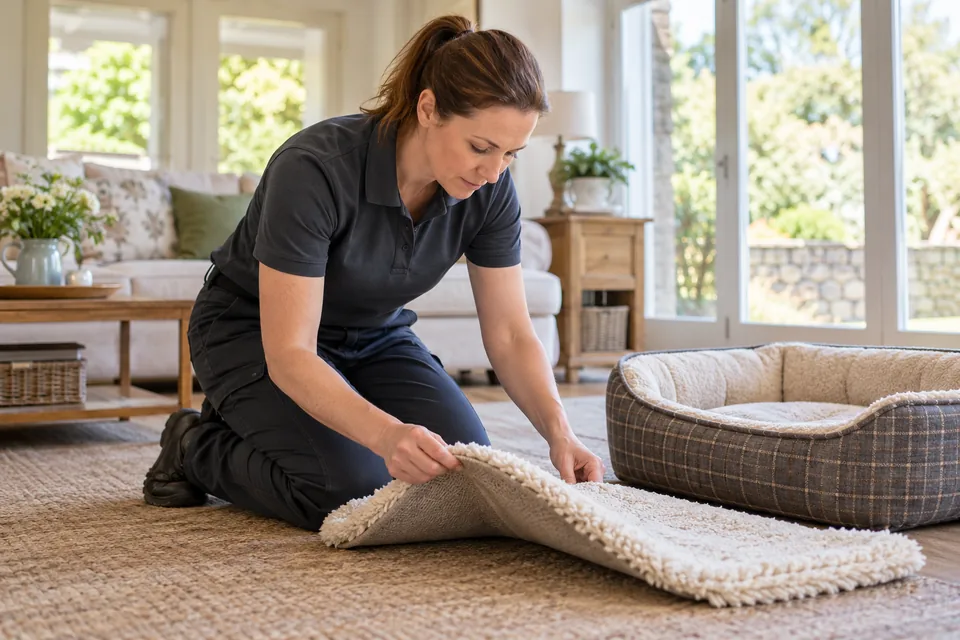
01
ROOM HISTORY
Map where people and pets rest
We start with the pattern of sightings and how the rooms are used. Current and previous animal occupancy can be relevant, including when a property has recently become vacant.
- List the rooms used by visiting animals
- Mark where jumping insects were noticed
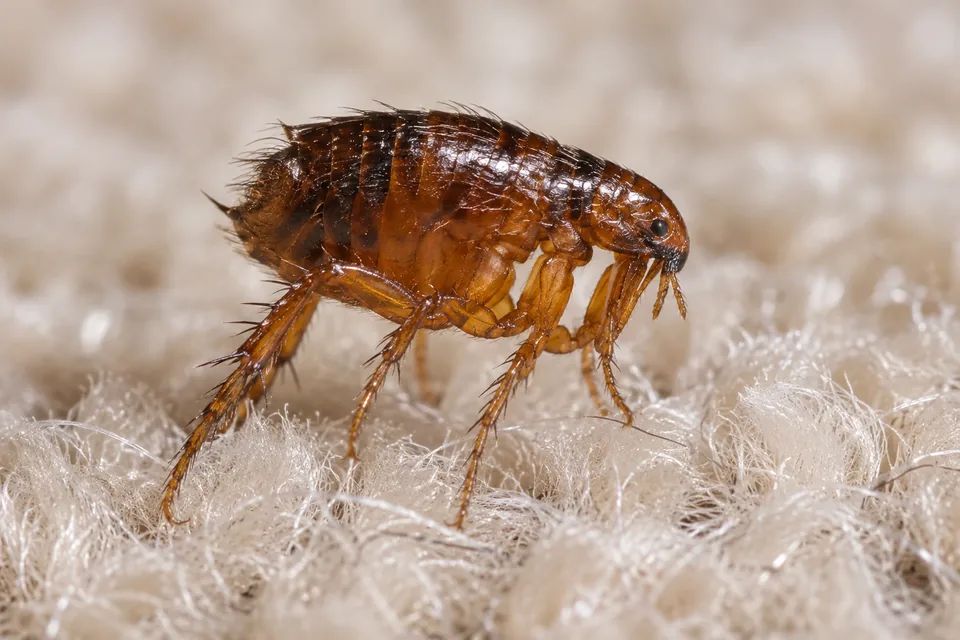
02
FLEA EVIDENCE
Check insects and resting places
The inspection looks for physical evidence around relevant carpets, floor edges and upholstery. A reported bite alone cannot confirm the pest or establish how widely the environment is affected.
- Examine carpet margins beside pet beds
- Check upholstery used for animal resting
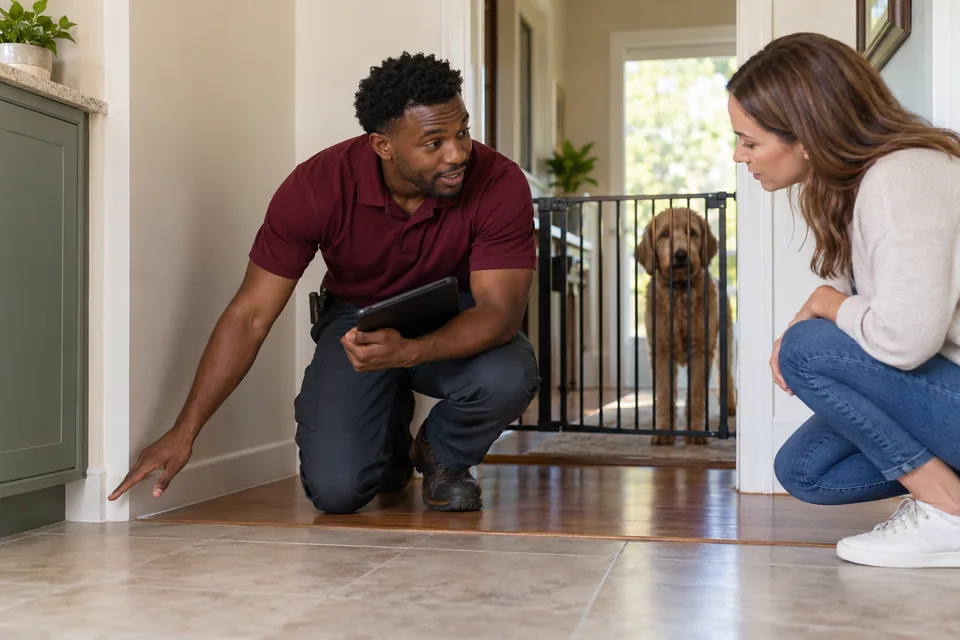
03
COORDINATED WORK
Prepare the environment for treatment
We explain access and the selected method, while animal treatment remains a matter for your vet. Preparation and room restrictions are agreed around who occupies the property and when.
- Coordinate the room plan with veterinary advice
- Clear treatment access without shifting pet bedding
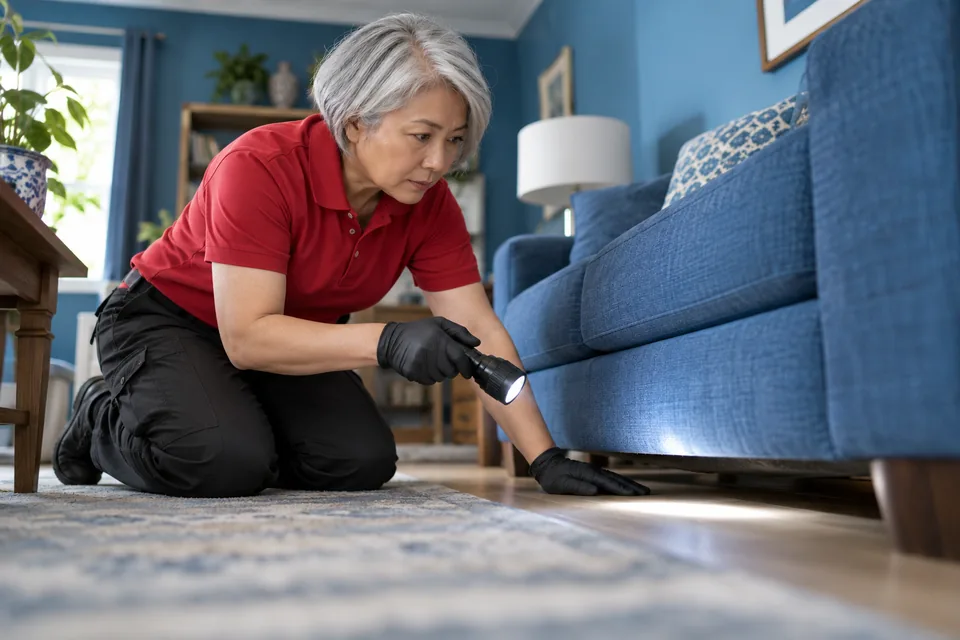
04
EMERGENCE REVIEW
Track activity through the review period
Aftercare explains cleaning, monitoring and what to report as the flea lifecycle continues. We assess the pattern of later sightings against the agreed programme rather than promising instant disappearance.
- Log flea sightings by room and date
- Follow the agreed post-treatment cleaning schedule
ACCESS IS PART OF THE TREATMENT
Prepare the floor plan before the visit
Flea work often involves the surfaces around resting places rather than the position where one insect happened to jump. Before the visit, tell us which furniture is fixed, where belongings cover the floor and whether anyone has difficulty preparing the area. We can then discuss a practical access plan without asking you to move everything indiscriminately.
Wait for the instructions for the chosen method before cleaning or moving items. Explain any products already used on carpets, sofas or pet bedding. A room spray, veterinary product and cleaning process have different purposes, so the technician needs an accurate history. Repeatedly adding products without a plan can complicate the assessment and aftercare.
Pet beds, blankets and removable covers
Ask which items should be cleaned and when. Follow the material care instructions and keep affected bedding separate as directed. Do not carry an uncovered pet bed through other rooms merely to clear the treatment area.
Food, aquariums and room restrictions
Mention aquariums and all animals before the method is agreed. Protect food and personal items as instructed. Confirm who needs to leave the working area and the precise conditions for return; these depend on the selected treatment.
CURRENT AND PREVIOUS OCCUPANCY
Explain who has used the rooms
When you call, describe where fleas have been seen, how long the signs have continued and whether activity changes when someone enters a room. Tell us about resident pets, visiting animals and any recent tenancy change. A home without a pet today may still have a relevant animal history, so this part of the enquiry should not be skipped.
Keep a photograph of a visible insect if it can be taken safely, and distinguish what you have actually found from suspected bites. Skin reactions are not a reliable species identification. If an animal seems affected, obtain veterinary advice rather than waiting for a property treatment to address it. The inspection of the building and the care of the animal need to work alongside each other.
If insects or spotting are concentrated around bed joints rather than jumping fleas, see the different inspection focus for Bed Bug Treatment ↗
A TARGETED ENVIRONMENTAL INSPECTION
Follow the resting areas into the room
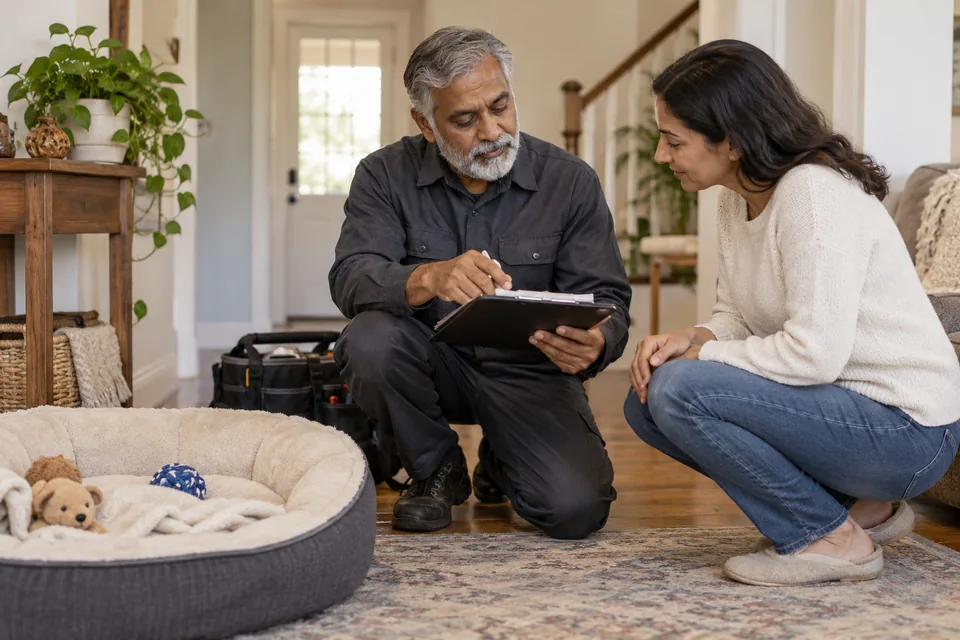
The technician considers carpets, rugs, accessible floor junctions and furniture connected with animal or human resting. Close examination, a torch and suitable monitoring may help establish the pattern. We ask where evidence was strongest and compare that account with the room layout, rather than assuming that every surface in the property needs identical work.
An inspection also identifies preparation or access limits. An area hidden beneath stored goods cannot simply be described as checked. If a wildlife route or concealed animal presence is suspected, that needs an appropriate separate assessment. We explain the reason for any recommended extension of the work and agree the scope before treatment starts.
Information about movement matters: a pet may sleep downstairs but spend part of the day on a bedroom chair. Include those secondary resting places in the discussion. An accurate account helps avoid leaving an affected area outside the plan or treating an unused space without evidence.
NOT EVERY REPORT HAS THE SAME BASIS
Connect each finding with a practical action
The strongest plan brings together insect evidence, room use and the previous control history. Finding fleas in the environment is different from relying only on an unexplained itch. Where identification remains uncertain, the next step may involve further inspection or monitoring before a treatment method can be sensibly agreed.
Explain whether a veterinary programme is already in place, but leave the selection of animal products to your vet. Do not apply a property product to an animal or substitute an animal treatment for work in the room. We can discuss the scheduling of the environmental visit without making assumptions about the animal’s medical needs.
Evidence suggesting a concealed rodent source may require a separate route assessment through Mice Control ↗
| Information or finding | What it helps establish | Next discussion |
|---|---|---|
| Adult flea found | Evidence for identification | Which connected areas require checking |
| Pet resting on more than one floor | Possible distribution of environmental activity | Access to secondary resting places |
| Bites reported without an insect | Identification remains unconfirmed | Further evidence or inspection |
| Animal occupancy ended recently | Relevant previous use of the rooms | Scope despite the absence of a current pet |
DURING THE TREATMENT VISIT
Agree coverage, access and safe return
The technician describes the proposed application or other control work, the surfaces involved and the limits of the visit. Where a product is used, it must be appropriate to the intended area and used according to its instructions. The choice is based on findings, surface suitability and the way the property is occupied, not a universal recipe for every flea enquiry.
Before work begins, confirm arrangements for children, pets and anyone who cannot readily leave a room. Re-entry, ventilation and cleaning requirements are specific to the method selected. Ask for instructions you can pass to other occupants, cleaners or a managing agent. A general waiting time found online should not override the advice for the actual treatment.
The room plan should also explain what remains for you to do. Cleaning removable material, following veterinary advice and reporting new signs are different responsibilities. If preparation cannot be completed or a relevant room is unavailable, discuss that limitation before work proceeds so the agreed coverage remains clear.
WHAT HAPPENS AFTERWARDS
Review emergence without adding another product
Fleas have several life stages, and activity after treatment needs interpretation in that context. The programme should explain what sightings may occur, what should be recorded and when progress is assessed. No single observation can establish whether the whole environment has been dealt with, and a rigid promise that every flea disappears immediately is not a useful aftercare plan.
Follow the agreed cleaning schedule and keep records by room and date. Do not change monitoring locations or apply another insecticide without discussion. Report sustained activity, signs in a previously unaffected area or a change in animal occupancy. These details allow the technician to consider coverage, continuing sources and the need for follow-up against the original findings.
The wider service overview explains how findings lead to an agreed plan at Pest Control Ruislip ↗
| After the visit | Record | Question for the review |
|---|---|---|
| Further jumping insects | Date, room and frequency | Is the activity within the expected review pattern? |
| Cleaning completed | Which surfaces and when | Were the specific aftercare instructions followed? |
| A pet returns or changes rooms | New resting places | Does the environmental plan need updating? |
| Activity in an additional room | Physical evidence and room use | Is wider inspection or follow-up appropriate? |
SCOPE, NOT JUST FLOOR AREA
Flea treatment from £184
The confirmed starting amount is From £184. The final quote depends on affected rooms, access, preparation and the method and visits agreed. A clear property history helps establish the work more accurately than a bedroom count alone. Ask what the quoted visit includes and whether a later review is included or separately assessed.
Tell us if the property is vacant, used for short stays or being prepared for a new occupant. Access and timing may need coordination, and the preparation instructions must reach whoever is responsible for the rooms. Confirm the total payable before booking rather than assuming that every cleaning or veterinary cost is part of a property treatment.
Our telephone service is available 24/7. If flea activity prevents normal use of a room, explain the situation and who is affected. We will discuss the appropriate next step and appointment availability. Protecting people and animals from the working area and following the preparation plan remain necessary even when the enquiry is urgent.
Questions about flea treatment
Can there be fleas after the previous tenant’s pet has left?
Yes, earlier animal use can still be relevant to the room assessment. Tell us when the property became vacant, where animals rested and when insects were first noticed afterwards. The technician will consider that history alongside physical evidence rather than ruling fleas out because no pet lives there now.
Will the pest controller choose my pet’s flea medicine?
Veterinary advice is needed for the animal. Our work concerns the property environment and its preparation and treatment. Explain the timing of any veterinary programme so the room visit can be coordinated, but do not use a household product on your pet or assume one animal’s product suits another.
Should I vacuum immediately before a flea visit?
Vacuuming may form part of the preparation, but follow the instructions supplied for your agreed method. Ask which areas to cover, how to deal with collected material and when cleaning should pause. The post-treatment schedule may differ from the preparation schedule.
Why might I see a flea after the room has been treated?
The flea lifecycle can produce further activity after a visit. Your aftercare should explain the expected review period and which observations need reporting. Record dates and locations rather than adding another product, so the technician can assess progress against the original plan.
Must every carpet in the house be treated?
Coverage should follow evidence and room use, including secondary pet resting places. It should not be assumed solely from the location of one flea or the number of bedrooms. The inspection establishes which areas need attention and where access limits affect that decision.
What information makes an urgent flea call useful?
Give the postcode, affected rooms, insect evidence and current or previous animal use. Mention children, aquariums, occupancy restrictions and products already applied. The 24/7 telephone service can discuss next steps and visit availability, with preparation and safe-return arrangements agreed for the proposed method.
To explain the pet history and affected rooms, call through Contact Us ↗
Discuss the signs at your property
Call our 24/7 service on +44 20 3966 2607. We will discuss the information needed for an inspection and confirm appointment availability.