
RUISLIP · HA4 · CLEAR ADVICE
About Our Pest Control Service in Ruislip
Our pest control service in Ruislip is built around a clear assessment and an explained plan. We ask what you have noticed, inspect the areas that can be reached safely and discuss suitable action. You should understand the proposed work, the practical restrictions and what happens after the visit.

01
UNDERSTANDING THE PROBLEM
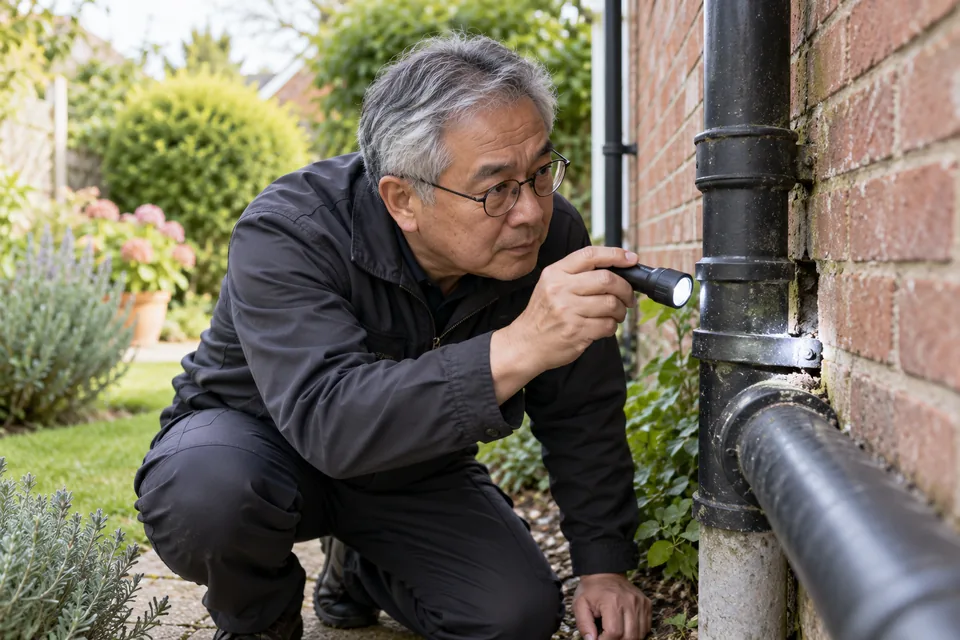
Start with what you have noticed
The first conversation establishes the signs, their location and how the property is used. We ask about timing, earlier treatment and any access restriction that could affect the visit.
- Describe the first signs and subsequent changes
- Mention previous treatment and occupancy needs
02
INSPECTING THE PROPERTY
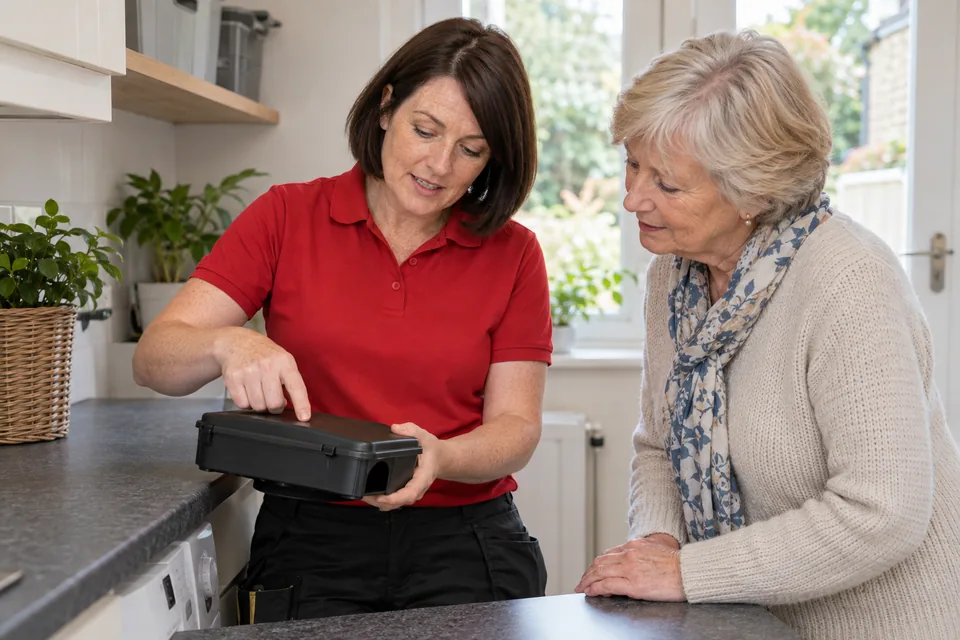
Compare the report with the evidence
A technician checks accessible signs against the room layout and possible routes. The findings help establish the pest and affected area, while recording spaces that cannot be inspected safely.
- Check accessible shelter and movement routes
- Explain where inspection access is limited
03
DISCUSSING TREATMENT
Agree an approach for the findings
Treatment is considered alongside the pest, the extent of activity and the people or animals using the space. We explain the scope and instructions before work is agreed.
- Discuss the purpose of the proposed method
- Confirm preparation and access requirements

04
EXPLAINING AFTERCARE
Make the next steps understandable
Aftercare covers the treated areas, cleaning, monitoring and any agreed review. Practical instructions help everyone using the property know which signs to record and when to contact the team.
- Share the instructions with other occupants
- Record further signs in their exact locations
A USEFUL FIRST CONVERSATION
How We Assess Pest Problems
An enquiry is more useful when it begins with observations rather than a firm diagnosis. Tell us what you have seen or heard, when it started and which areas are involved. Finding an insect beside a window, hearing movement above a ceiling and discovering damaged food all lead to different inspection questions. A photograph can help when it can be taken without handling a pest or entering an unsafe space.
We also ask about the property and who can arrange access. A flat with a shared service cupboard differs from a house with an accessible garden boundary. Explain whether rooms are occupied, whether another person controls adjoining areas and whether earlier work has changed the signs. The visit arrangements should make clear which areas can be assessed and who can authorise any change to the proposed scope.
FINDINGS BEFORE ASSUMPTIONS
Inside a Pest Control Inspection
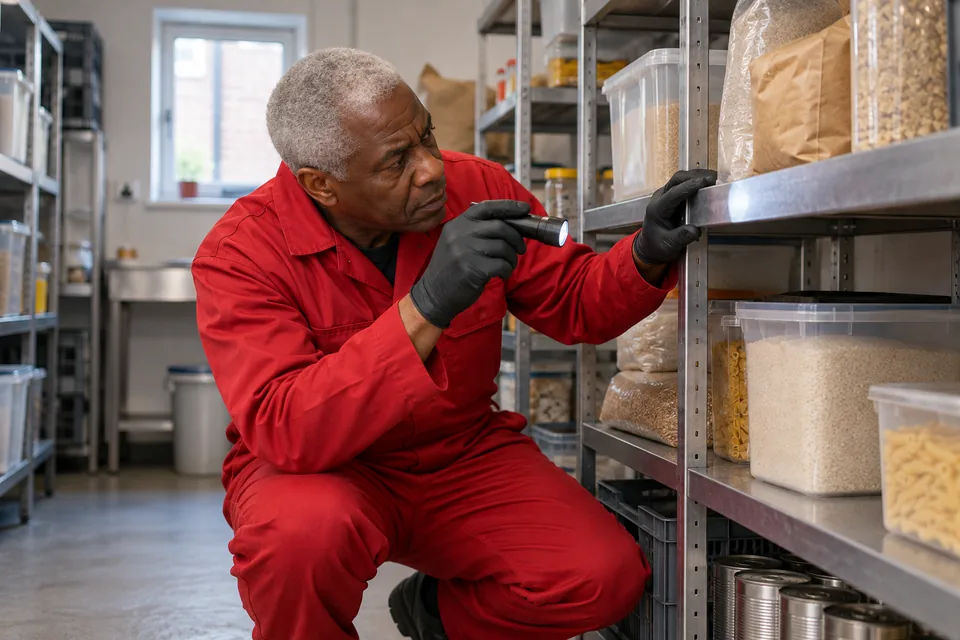
The technician begins with the reported area and follows relevant evidence into other accessible spaces. A torch can help reveal room edges, cupboard junctions or sheltered gaps. Insects, droppings, shed material, gnawing and damage are considered in context. One sign rarely describes the whole situation: its location, condition and relationship to nearby shelter or food can all affect the next question.
An inspection also establishes its own limits. Fixed fittings, unsafe access or a locked communal area can prevent a full assessment of a suspected route. We explain those limits and whether further access or another specialist investigation would help. The result should be an understandable account of what was found, what remains uncertain and how those findings support the proposed action.
MATCH THE APPROACH TO THE EVIDENCE
Different Pests Require Different Treatments
A treatment is selected for the identified problem and the conditions at the property. The same method is not suitable for every room or pest. Access, affected materials, previous products and the ability to follow preparation instructions can change the options. The table shows the kinds of questions that need answering; it does not prescribe a treatment before an inspection.
Where a product is proposed, the instructions for that product and the assessed situation govern its use. Physical control, source management, monitoring or changes to access may also be relevant. We explain which parts of the plan address current activity and which depend on cleaning, maintenance or separate repairs.
| Pest problem | Inspection focus | Treatment considerations | Follow-up |
|---|---|---|---|
| Mice and rats | Fresh signs, food access and movement routes | Suitable control points and a considered proofing sequence | Compare new evidence with the original locations |
| Bed bugs | Bed joints, seams and nearby harbourage | Room coverage, preparation and method suitability | Review remaining or newly reported signs |
| Cockroaches | Species, warm shelter and moisture | Access to harbourage and protection of food areas | Assess monitoring and spread between spaces |
| Moths and carpet beetles | Larval evidence and affected natural fibres | Source handling, directed cleaning and suitable treatment | Check overlooked materials and further damage |
| Fleas and silverfish | Pet-use areas or sheltered damp locations | The identified insect and its supporting conditions | Review emergence, sightings and environmental changes |
PLAN AROUND THE PEOPLE USING THE SPACE
Working in Homes and Commercial Properties
Preparation and access should be settled before the visit. Explain children, pets, aquariums, relevant sensitivities and any room that cannot be vacated. In a home, this may affect where belongings are placed or who needs the aftercare notes. In a business, deliveries, food handling and shared working areas can affect the practical arrangements. A nominated contact helps ensure the instructions reach the people who need them.
Safety instructions are specific to the selected method. Ask which areas must remain undisturbed, whether ventilation is required and when the space can be used again. If an instruction cannot be followed, discuss that before work begins. Follow-up also needs agreement: understand whether a review forms part of the quote, how it is arranged and which change in activity should prompt an earlier call.
KEEP THE PLAN USEFUL AFTER THE VISIT
Prevention and Aftercare
Useful aftercare separates immediate instructions from longer-term maintenance. Keep the advice available for everyone using the affected rooms. Follow the specified cleaning schedule and leave placed monitoring or control measures alone unless told otherwise. A dated note of new evidence, including its exact location, helps a later review distinguish the original pattern from activity somewhere new.
Prevention depends on the source and route involved. Suitable storage, reliable waste routines, directed cleaning and addressing moisture can each matter in the right situation. Building repairs may need a landlord, managing agent or separate trade. Agree responsibility and timing rather than assuming every repair is included in a treatment visit. If later plumbing, decorating or building work changes an assessed area, explain that when discussing further signs.

READ THE APPROACH FOR YOUR PEST
Explore Our Services
The service pages explain the inspection priorities, preparation and follow-up considerations for each problem. Use them to understand the questions a visit needs to resolve. If the evidence does not fit a particular pest, describe it on the call rather than choosing a treatment from a photograph alone.
01
Mice Control ↗
Trace low-level activity, accessible pipe routes and food sources before agreeing control, monitoring and practical proofing priorities.
02
Rat Control ↗
Consider indoor evidence alongside outside routes, boundaries and any suspected drainage issue that may need separate investigation.
03
Squirrel Control ↗
Assess roof-space evidence, species and safe access before discussing appropriate action and the sequence of later repairs.
04
Bed Bug Treatment ↗
Examine sleeping areas and neighbouring furniture, with preparation and review shaped around the confirmed extent of activity.
05
Bed Bug Heat Treatment ↗
Discuss room suitability, sensitive belongings, preparation and temperature monitoring before a managed heat approach is considered for the property.
06
Cockroach Treatment ↗
Identify the insect, inspect warm hidden spaces and discuss treatment points, cleaning and monitoring across the affected area.
07
Moth Control ↗
Investigate textile damage, larval traces and stored fabrics to locate the source and plan suitable handling and treatment.
08
Flea Treatment ↗
Assess occupied rooms and pet resting areas, then explain property preparation, treatment considerations and the signs to monitor.
09
Silverfish Control ↗
Check sheltered cracks and moisture conditions while distinguishing suitable pest treatment from maintenance needed to address leaks or damp.
10
Carpet Beetle Treatment ↗
Follow larval evidence into affected materials and overlooked debris, with directed cleaning and advice on managing textile storage.
Talk through the signs at your property
Call +44 20 3966 2607 to discuss your enquiry and confirm suitable visit arrangements.