
RUISLIP · HA4 · AVAILABLE 24/7
Bed Bug Heat Treatment Ruislip
Heat treatment needs more than warming the air in a bedroom. We assess the affected space, its contents and access before proposing a monitored approach. The discussion covers what can stay, what needs separate handling and how the treatment record and later findings will be assessed.
01
ASSESS SUITABILITY
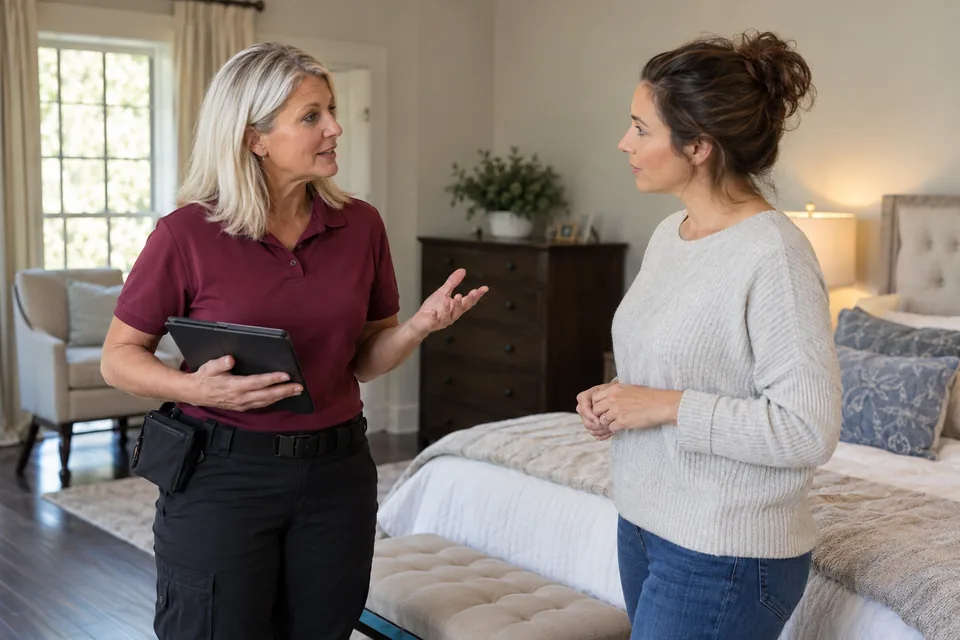
Match heat to the inspected space
We discuss the evidence, room construction and belongings before recommending heat. Access and the area needing treatment must be understood rather than assumed from the number of beds.
- Assess room contents and construction
- Confirm the area requiring heat
02
PREPARE CONTENTS
Plan sensitive items before heating
The preparation list identifies belongings and practical arrangements needing attention. We explain how items should be handled without transferring suspected activity into another part of the property.
- Identify heat-sensitive possessions in advance
- Plan containment for items needing removal
03
MONITOR DELIVERY
Measure the areas that matter
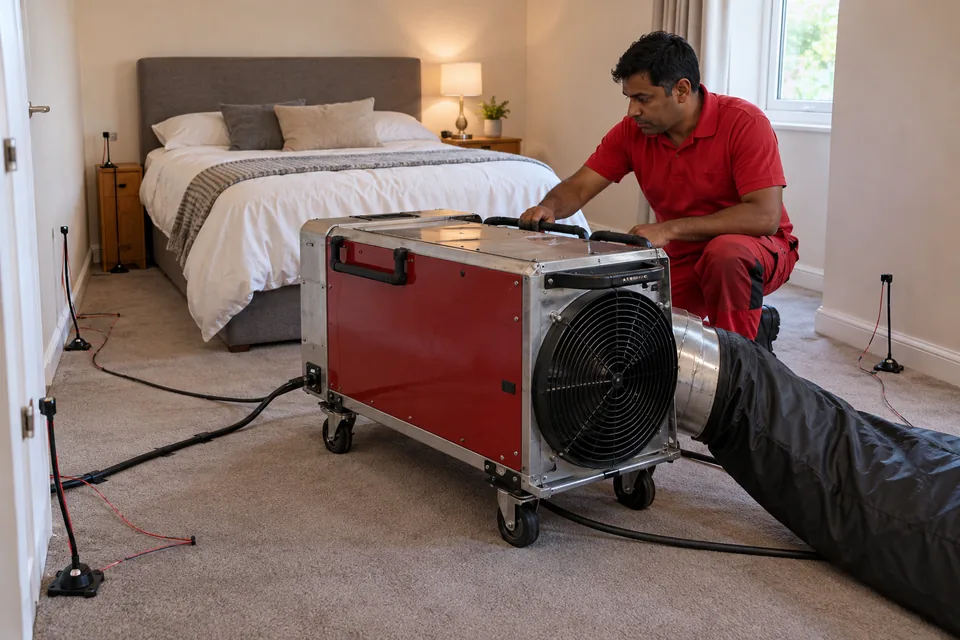
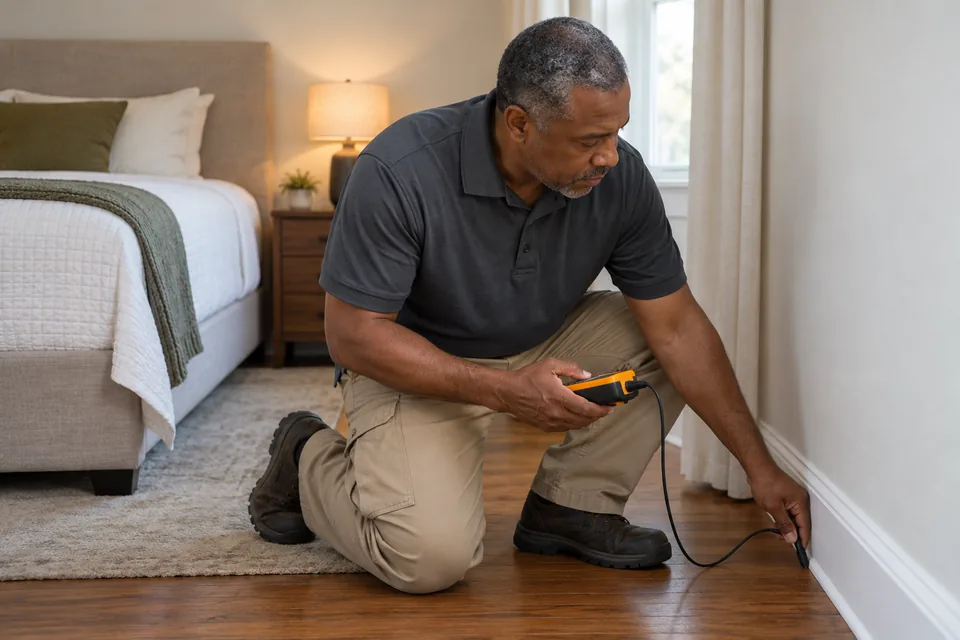
Appropriate equipment and monitoring are used around the agreed treatment scope. Readings in representative and difficult-to-heat locations matter because room air alone does not describe every hidden space.
- Position monitoring around relevant harbourages
- Review readings beyond general room air
04
REVIEW RECORDS
Check the outcome and next steps
We explain the treatment record, access advice and what signs to watch afterwards. A later assessment considers any further evidence and whether the agreed scope or another source needs attention.
- Explain the recorded treatment coverage
- Agree how later evidence will be reviewed
BEFORE EQUIPMENT ARRIVES
Preparation is part of deciding suitability
A heat enquiry begins with the rooms involved and the belongings within them. Tell us about the bed structure, upholstered seating, fitted storage and anything that is unusually sensitive or difficult to move. The purpose is to establish whether the space can be prepared and monitored appropriately, not simply whether heaters can be carried through the front door.
Do not empty an affected room into an untreated area while waiting. Items removed without a handling plan may carry bed bugs elsewhere and create a route back after treatment. We discuss what remains, what needs separate assessment and how any necessary movement will be managed. Preparation should make the agreed treatment possible without disguising the original distribution of activity.
Tell us about sensitive belongings
Describe medicines, pressurised containers, delicate finishes and other items you are concerned about before the visit. The specific checklist and any manufacturer guidance determine what needs removal or protection. Do not assume all possessions can remain because one room item is suitable.
Arrange access and time away
Confirm keys, parking or equipment access and who will authorise work. Explain any person or animal that cannot leave the treatment space. The access, exclusion and return arrangements need resolving before the equipment is brought into use.
CONSTRUCTION AND COVERAGE
Survey the room, not only the bed
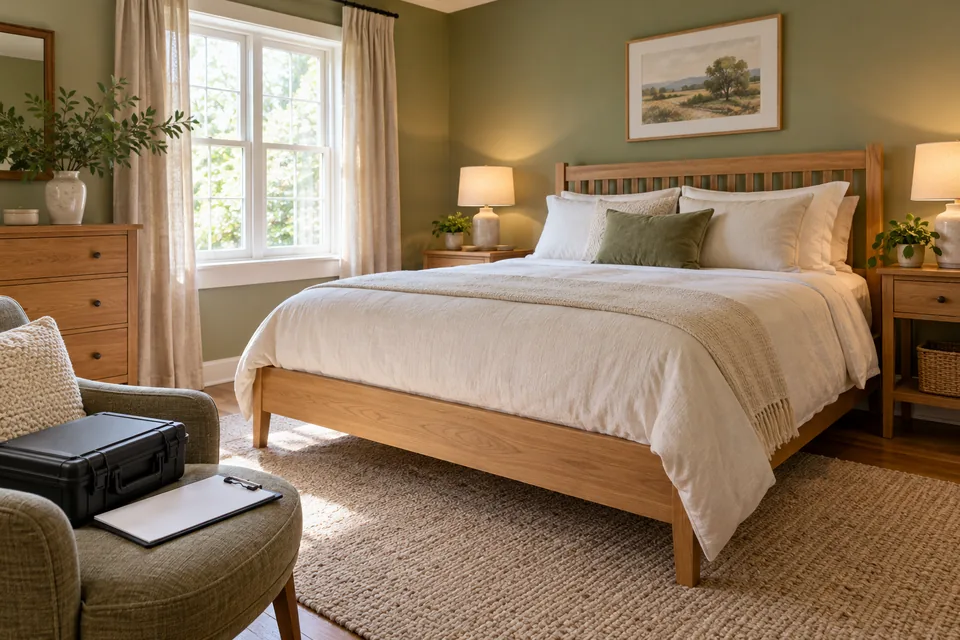
The inspection confirms the bed bug evidence and considers the wider affected area. A bed base, sofa or bedside cabinet may provide shelter, while adjoining spaces can affect the intended coverage. We ask where occupants have been sleeping and whether belongings have already been moved. Those details help prevent a proposal based on an incomplete picture of the room.
Room construction and contents influence how heat reaches the locations of concern. Dense items, enclosed storage and difficult access require consideration when planning monitoring. The technician explains any area outside the proposed scope and any feature that limits the approach. An inaccessible cavity is not automatically treated just because the surrounding room is warm, so the distinction needs to be clear.
To compare the wider inspection-led treatment discussion, see Bed Bug Treatment Ruislip ↗
SET THE BOUNDARIES
Questions that shape the heat plan
We agree what is being treated and how preparation supports that scope. Whole-room work and treatment of selected contents are not interchangeable descriptions. Ask which rooms, furniture and other items the quotation includes, and whether another method is proposed for any part of the problem. A room count without this explanation can hide important differences between two quotes.
The table identifies discussion points rather than prescribing a heating programme. The appropriate equipment, monitoring positions and treatment conditions are decided for the inspected situation. This page does not provide a do-it-yourself temperature or duration. Domestic heating, improvised heaters or an unmonitored warm room should not be used to imitate a managed bed bug heat treatment.
| Aspect | Question to discuss | Planning implication |
|---|---|---|
| Coverage | Whole rooms or selected contents? | Define what the equipment and quote are intended to cover |
| Contents | Which belongings need separate handling? | Agree preparation without redistributing suspected activity |
| Construction | Are enclosed or dense areas relevant? | Consider access and monitoring of difficult locations |
| Access | Can equipment and monitoring be used as planned? | Resolve practical limits before the treatment date |
LOOK BEYOND THE AIR TEMPERATURE
Why readings need a location
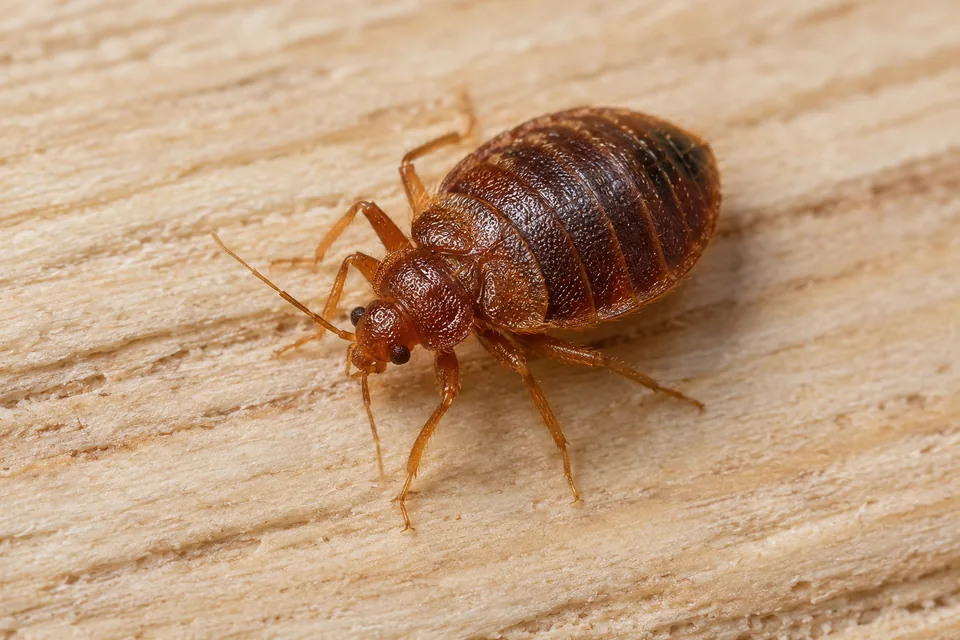
Heat must reach the bed bugs in their harbourages, which can be sheltered within or behind materials. An air reading near equipment cannot establish what happened at every relevant point. Monitoring therefore needs to relate to the places being assessed. Ask how difficult-to-heat areas are considered and what information will be available to explain the delivery of the agreed treatment.
Specialist heating and air movement equipment may form part of the setup, alongside temperature sensors or probes appropriate to the work. Their use depends on the scope and environment; the presence of a particular device alone is not proof of a satisfactory result. The technician should be able to explain the relationship between the inspected locations, monitoring choices and treatment record in plain language.
Where fabric damage rather than bed bug evidence is the concern, read Moth Control Ruislip ↗
CONTROLLED ACCESS
During the heating visit
The preparation and room condition are checked before work begins. If sensitive belongings remain, equipment access is blocked or additional evidence changes the scope, the plan may need revisiting. Raise these issues rather than expecting the operator to work around them unnoticed. A clear decision before heating is preferable to an uncertain assumption about an item or excluded area.
People and animals must follow the access restrictions given for the work. Do not enter to retrieve a forgotten possession or adjust equipment yourself. Discuss anything essential before the visit starts, including how communication will work while the space is unavailable. Return is based on the operator’s instructions and the condition of the space, not on a universal number of hours copied from another property.
FROM DELIVERY TO REVIEW
A record you can understand afterwards
At handover, ask what was covered and whether any limitation remained. Monitoring information should be interpretable in the context of the relevant locations, rather than simply a reassuring maximum number. Keep the instructions with the room and treatment details, especially when the person managing the property was not present throughout the work.
Discuss how further evidence will be assessed. Heat does not create a continuing barrier against a new introduction, so movement of belongings and later arrivals still matter. A record of what was treated helps distinguish an issue within the original scope from activity associated with an untreated item or another location. Do not independently move suspect contents back into a prepared room without discussing their status.
For the overall service approach and starting-price guide, visit Pest Control Ruislip ↗
| Record or instruction | What it should explain | Why it matters afterwards |
|---|---|---|
| Scope record | Rooms and contents included or excluded | Clarifies the status of returning belongings |
| Monitoring information | Readings in context with relevant locations | Supports an informed discussion of delivery |
| Return instructions | When and how the space can be reused | Avoids entry before the operator releases the area |
| Further signs | What to record and how to report it | Allows comparison with the original evidence |
PREVENT AN AVOIDABLE RETURN ROUTE
Manage belongings after the room is released
Follow the advice about reusing the space and returning belongings. If an item was excluded from the heat scope, do not assume it became clear merely because the rest of the room was treated. Explain where it has been kept and ask how it should be assessed before it returns. This is particularly relevant to bags, stored fabrics and furniture temporarily moved elsewhere.
Keep a dated note of any further insect or physical sign, including the exact position. A report that the room still feels affected is difficult to assess without evidence. The review considers the treatment record, original findings and any changes since the visit. If another method or further investigation is recommended, its purpose and additional scope should be explained before it is agreed.
A QUOTE FOR THE ACTUAL SPACE
Heat treatment from £504
The starting price for bed bug heat treatment is £504. Room size, construction, contents, preparation, equipment access and the proposed coverage affect the final quotation. Ask for the total payable and what assessment or follow-up is included. A lower figure for treating selected contents should not be assumed to cover an entire occupied property with complex access.
Call our 24/7 line to discuss the problem and whether heat should be assessed alongside other treatment options. Tell us about the evidence, rooms, previous work and any deadline affecting occupancy. We confirm appointment availability and the information required for a suitable assessment. Availability to take an enquiry does not replace the time needed to plan preparation and a safe, defined treatment.
To discuss heat preparation and appointment arrangements, use Contact Us ↗
Questions about bed bug heat treatment
Is heat automatically suitable for every bedroom?
No. Contents, construction, access and the bed bug distribution need assessment. A room may require additional preparation or a different approach to part of the problem. We explain the proposed coverage and limitations before treating heat as the agreed option for your property.
Can I use ordinary heaters while waiting?
Do not try to reproduce professional heat treatment with domestic or improvised heating. A warm room does not demonstrate that hidden insects have received the necessary exposure, and unsafe equipment introduces other risks. Discuss the inspection and preparation rather than starting your own heating attempt.
Will all my belongings be included in the heat?
Only the agreed scope establishes that. Some possessions may require separate assessment, handling or protection, and enclosed items need particular consideration. Get a clear preparation list and tell the technician about anything you cannot move or are worried may be heat-sensitive before the visit.
What does a temperature record tell me?
It helps explain delivery when the readings can be related to their monitoring locations and the treatment scope. One high air reading does not describe every harbourage. Ask the operator to explain what was monitored and any limitation rather than judging the work by a single number.
Does heat stop bed bugs coming back later?
It does not provide a continuing barrier against bed bugs introduced afterwards. Untreated belongings or later introductions still need consideration. Follow the return-item advice and report new evidence with its location so the situation can be compared with the original assessment and treatment record.
When may we use the heated room again?
Follow the specific release and return instructions supplied for the work. Room conditions, equipment and any other method included in the plan affect the answer. Explain occupancy constraints before booking and do not enter early to retrieve items or assume another customer’s timetable applies.
Discuss the signs at your property
Call our 24/7 service on +44 20 3966 2607. We will discuss the information needed for an inspection and confirm appointment availability.