
RUISLIP · HA4 · AVAILABLE 24/7
Moth Control Ruislip
Moth control starts with the material being affected, not the number of insects around a light. We inspect suspected textile activity in Ruislip, establish which areas need attention and agree suitable treatment alongside cleaning, handling and storage measures for your belongings.
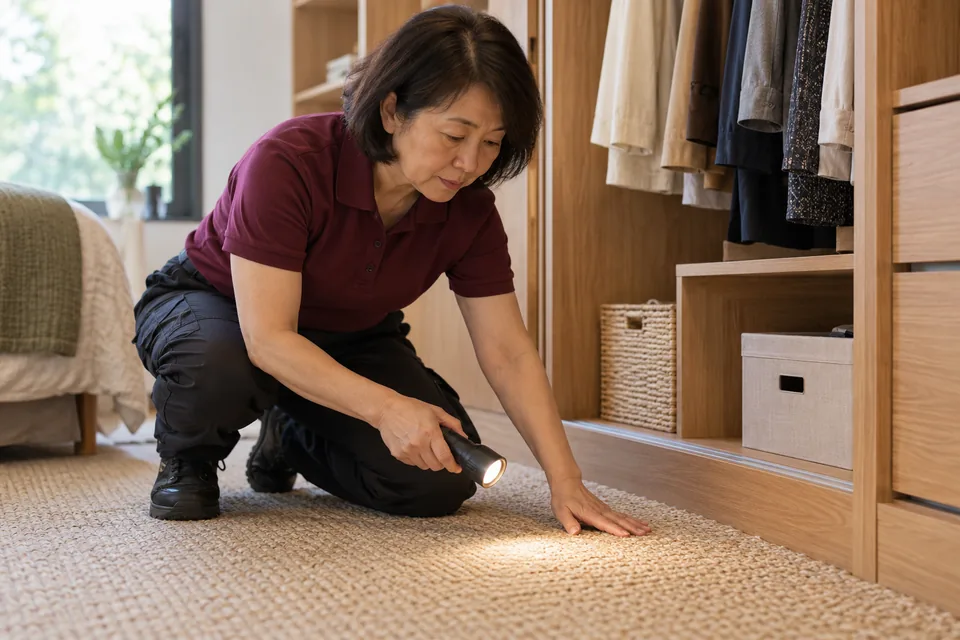
01
TEXTILE EVIDENCE
Read the damage and traces
We examine affected fibres alongside insects, webbing or cases. The location and type of evidence help separate a textile problem from a moth that has simply flown indoors.
- Compare damaged fibres with larval traces
- Record which stored textiles are affected
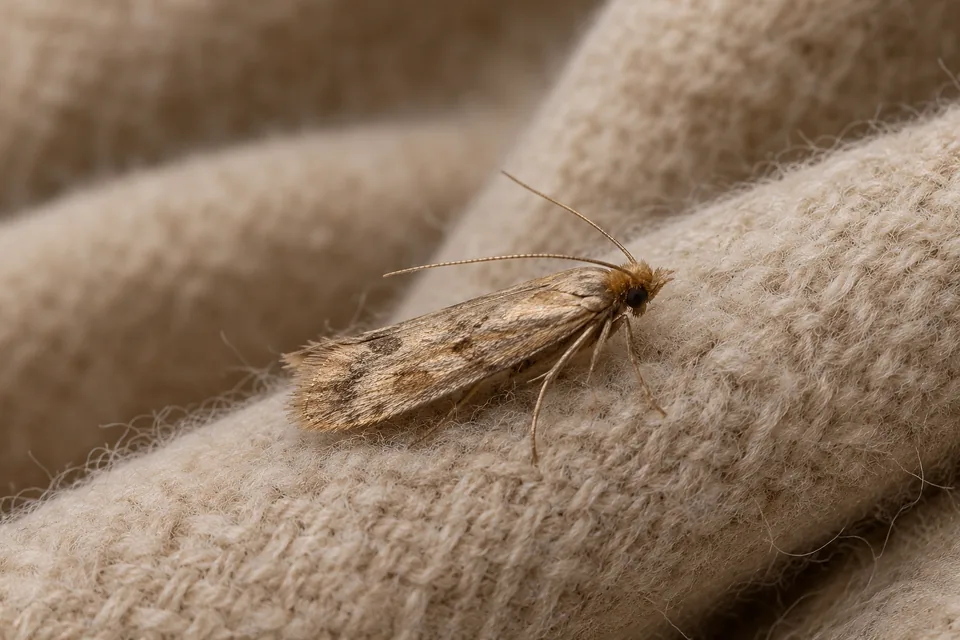
02
HIDDEN SOURCE
Look beyond the visible garment
The inspection follows quiet carpet edges, upholstery and storage areas connected with the finding. We explain inaccessible spaces and discuss how sensitive belongings can be examined without unnecessary movement.
- Inspect quiet folds and carpet margins
- Trace activity into adjoining fabric storage
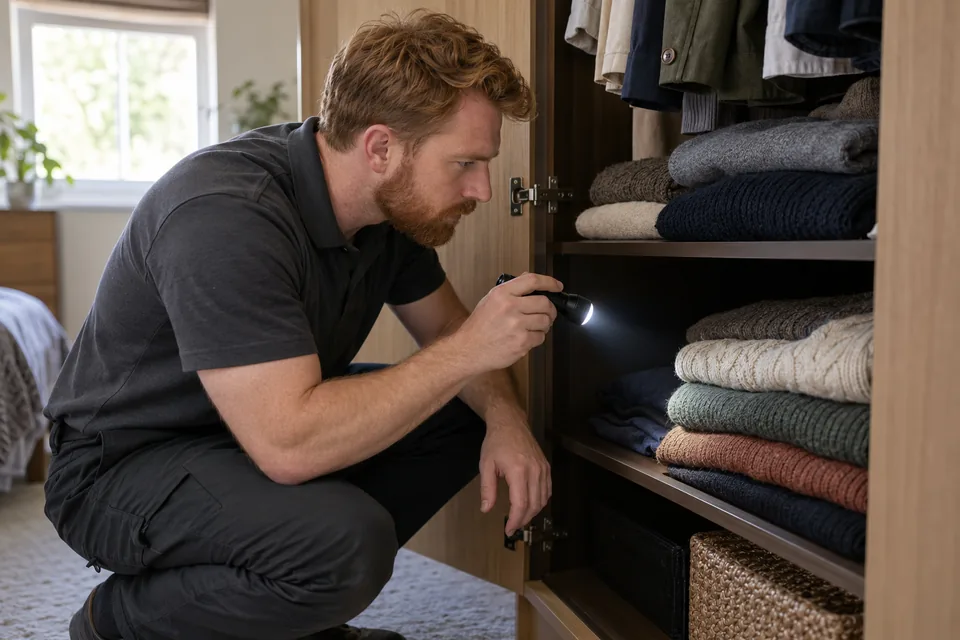
03
AGREED RESPONSE
Treat the source and surroundings
We discuss the appropriate response to the identified moth and affected materials. Any product application is considered alongside source management, access, fabric care and the preparation you can complete.
- Separate fabric care from room treatment
- Agree access around affected furnishings
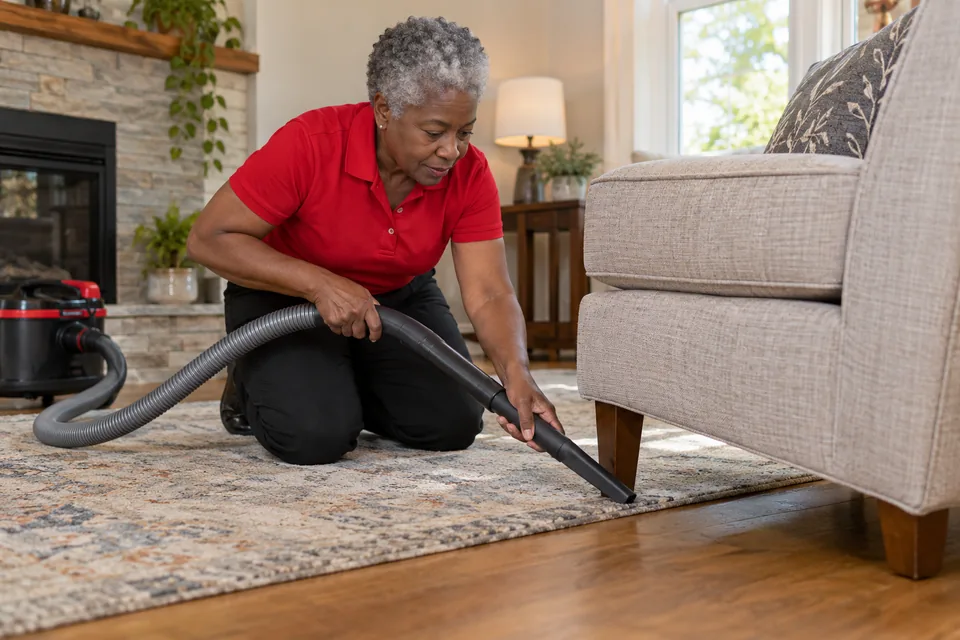
04
CONTINUED CHECKS
Protect stored and everyday fabrics
Aftercare sets out what to clean, where to check and how to record fresh signs. Monitoring and storage changes help assess progress without relying only on sightings of adult moths.
- Check previously damaged edges for new signs
- Keep cleaned woollens apart from suspect items
A MATERIAL-LED ENQUIRY
Start with the item that changed
Tell us whether you have found holes, thinning carpet pile, insects or small cases on clothing. Describe the fabric, the room and when the damage first appeared. Photographs of the item in place and a close view of the evidence can be useful. Keep the location identifiable rather than moving several suspect belongings together for a photograph.
We also ask about wool rugs, stored seasonal clothing, feather-filled items and furniture that has remained undisturbed. Mention any recent purchase, inherited furnishing or storage change, without assuming that it caused the problem. This background helps plan an inspection around the property. A single flying moth does not establish which material, if any, is supporting larvae.
FOLLOW THE QUIET AREAS
Inside the wardrobe, beneath the furniture
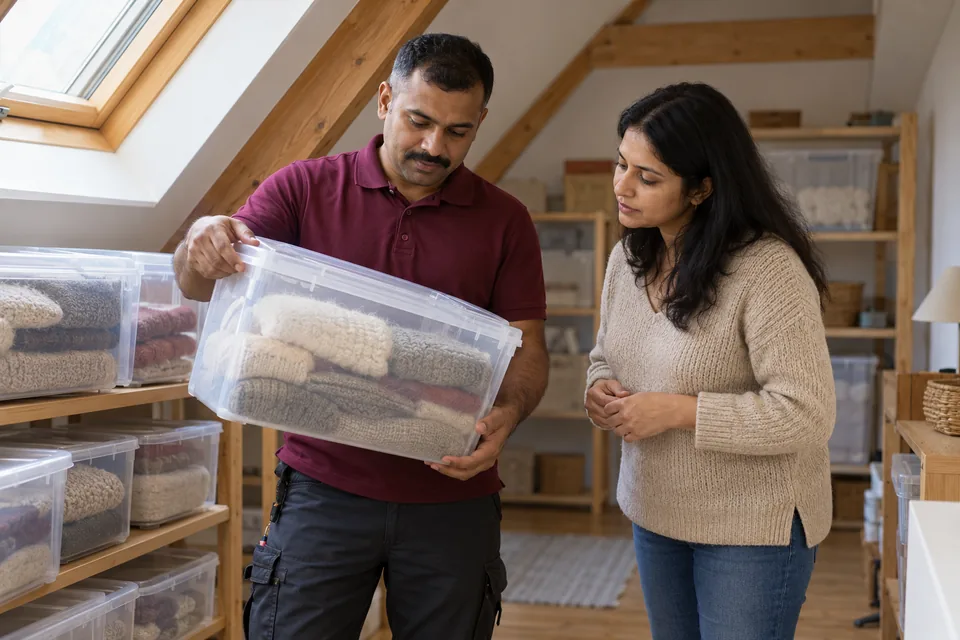
The technician looks for a relationship between damaged material and physical signs. Accessible seams, folds, carpet margins and the underside of suitable furniture may need inspection. A torch and close examination help reveal detail that is easily missed in an open room. We discuss access before moving heavy furniture or opening tightly packed storage.
Items are considered in their original setting so the pattern is not lost. Damage beneath a chair, for example, may warrant checking nearby carpet and the furnishing itself, rather than treating only the exposed patch. Delicate, valuable or complex objects need an appropriate care discussion. We will explain where the inspection ends and whether another specialist should assess the item.
If hairy larvae or shed skins are present instead of silk traces, compare the inspection approach for Carpet Beetle Treatment ↗
IDENTIFICATION BEFORE APPLICATION
What different findings mean for the visit
Clothes moth larvae can damage natural fibres, while other moths may have a different source. The inspection therefore considers the insect and associated traces instead of diagnosing the problem from holes alone. Where evidence is incomplete, retaining a safe photograph or arranging further observation can be more useful than applying a product immediately.
Old damage is recorded separately from signs that appear active. This gives the later review a useful starting point: a hole that remains visible after treatment is not new feeding. Ask the technician which areas or objects should be photographed for comparison, and how future findings should be reported without carrying suspect material through the home.
| Finding | What we examine | Decision it informs |
|---|---|---|
| Holes or loss of wool pile | Adjacent fibres, sheltered edges and associated traces | Whether the damage relates to active textile pests |
| Webbing or portable cases | The item, seams and nearby undisturbed material | Identification and source assessment |
| Adults in several rooms | Sightings alongside affected materials | Whether the inspection should extend beyond one storage area |
| No insect evidence retained | Photographs and the history of the damage | Whether further observation is needed before choosing work |
BEFORE TREATMENT
Prepare access without redistributing the problem
Preparation depends on what is found and how the treatment will be carried out. Before emptying cupboards or laundering whole wardrobes, obtain the agreed instructions. The aim is to expose relevant areas while keeping affected and unaffected material distinguishable. A simple record of which item came from which shelf can prevent confusion later.
Do not apply a new aerosol or fabric treatment while waiting for the visit. Previous products, their application areas and any professional work should be disclosed, even if they seemed ineffective. The technician needs this information when considering the next method and explaining which surfaces or belongings must be protected.
If storage is shared between family members or occupiers, make sure everyone follows the same handling plan. A cleaned garment can be placed back among unchecked material inadvertently. Agree a temporary place for items awaiting care, and label their original locations so the inspection and later review remain meaningful.
Garments and removable textiles
Discuss the care label and condition before cleaning. Keep suspect items contained as directed and separate from clean storage. Treatment of a room does not automatically provide the right fabric-care process for every garment.
Rugs, upholstery and fitted carpet
Explain which edges can be accessed safely. Do not drag a heavy rug through other rooms or remove fitted material without agreement. The inspection may need to see both the damaged surface and sheltered areas nearby.
Damage involving damp paper or wallpaper may need the different assessment described under Silverfish Control ↗
CHOOSING SUITABLE WORK
Plan treatment for rooms and affected items
The proposed work should distinguish treatment of accessible harbourages from cleaning or treatment of belongings. These are related tasks, but one does not automatically replace the other. The chosen response depends on identification, the distribution of signs, material sensitivity and whether the supporting source can be reached.
If a product is appropriate, the technician explains the application area and relevant restrictions before starting. Tell us about children, pets, aquariums and any room that cannot be vacated. Follow the specific instructions for the selected method; there is no general waiting period that can safely be applied to every moth treatment.
Where an item requires a specialist cleaning or conservation process, agree that separately. We do not prescribe a temperature or home remedy for a fabric whose composition and condition have not been assessed. The visit should leave you with a practical division of responsibilities, including what you can prepare and what needs further advice.
QUOTE THE ACTUAL EXTENT
Moth control from £184
The confirmed starting price is From £184. The final quote reflects the areas involved, access to the source, the proposed method and any agreed follow-up. One damaged jumper and activity across several wool-carpeted rooms are different scopes, even if the same moth is identified.
Ask what is included in the quoted treatment and what is outside it. Item cleaning, moving heavy furniture, investigating concealed building material or specialist fabric work may need separate arrangements. Confirm the total payable before booking. Call our 24/7 service if material is continuing to deteriorate; appointment arrangements are confirmed during the conversation.
For an overview of inspection, treatment and prevention across the home, return to Pest Control Ruislip ↗
| Scope factor | Information to provide | What to agree |
|---|---|---|
| Affected materials | Garments, rugs, upholstery or fitted carpet | Room work versus item-specific care |
| Access | Furniture weight and packed storage | Preparation and any access limitations |
| Distribution | One area or linked rooms | Treatment coverage and monitoring locations |
| Review needs | Previous work and subsequent signs | Whether follow-up is included or assessed separately |
AFTER THE VISIT
Review the fabric, then reset storage
Keep the treatment and cleaning instructions together. Some areas may need to remain undisturbed while other belongings require attention. Ask which checks you should make, when to make them and what evidence would justify further assessment. Avoid adding household insecticides to an agreed programme without discussing them first.
Adult sightings can contribute to a review, but they do not tell the whole story. Compare the same areas for fresh larval traces or newly developing damage, using the photographs or notes made before work. If monitoring is used, leave it in the agreed place and record findings rather than relocating it around the room.
Once affected material has been managed, storage should make future inspection easier. Keep clean belongings organised and avoid hiding an unchecked rug or woollen garment at the back of a cupboard. Report fresh evidence in a previously unaffected area. The follow-up decision is based on findings, access and the chosen method rather than a universal number of visits.
Questions about moth control
Does seeing a moth mean my carpet needs treatment?
No. A flying moth may not be a textile pest, and a textile pest may have a source elsewhere. We compare the insect with damage, webbing or cases before recommending work. Photograph the finding and explain where it was seen.
Can you treat wool clothing during the room visit?
Clothing care needs to be agreed separately from treatment of room harbourages. Fabric composition, care instructions and condition affect what is appropriate. Keep suspect garments apart as directed and ask which cleaning or specialist process is suitable before applying anything to them.
Should I remove my fitted carpet before inspection?
Usually the first step is to inspect accessible evidence in place. Removing carpet prematurely can lose the pattern or disturb material unnecessarily. Tell us about damage at edges or beneath furniture, and discuss any lifting with the technician before arranging it.
Are moth traps enough to solve the problem?
Monitoring can help establish where adult activity occurs and support later review. It does not replace finding affected material or managing the source. The technician will explain what any proposed monitor can show, how to record it and what other work is needed.
What if the source appears to be in a concealed space?
We record the suspected connection and explain the access limit. A separate building or specialist inspection may be needed before that source can be addressed. Do not open a flue, roof void or fixed furnishing simply to follow an insect sighting.
How can I tell whether damage after the visit is new?
Record the original marks before treatment and check the same items afterwards. Old holes will remain even when activity has changed. Fresh traces, further damage or signs in another area should be reported with dates so the review can consider the actual pattern.
To describe the damaged material and arrange the next step, use Contact Us ↗
Discuss the signs at your property
Call our 24/7 service on +44 20 3966 2607. We will discuss the information needed for an inspection and confirm appointment availability.