
RUISLIP · HA4 · AVAILABLE 24/7
Silverfish Control Ruislip
Repeated silverfish sightings deserve a check of the insect, the rooms and the conditions supporting activity. Our Ruislip service combines accessible inspection with a suitable control discussion, while distinguishing pest work from leak repairs, ventilation improvements or other building maintenance.
01
SIGHTING PATTERN
Locate the recurring room activity
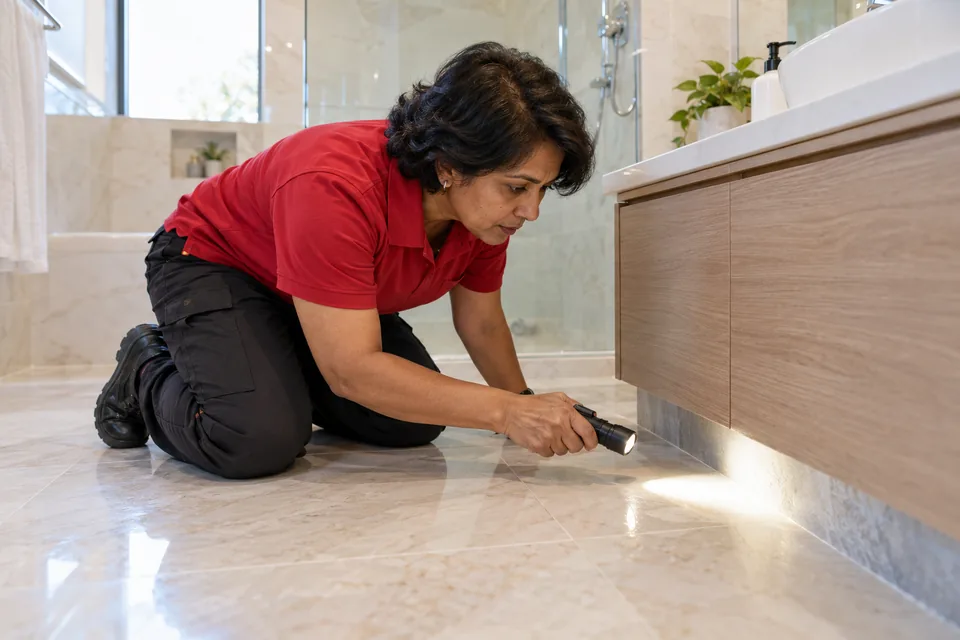
Tell us where the insects appear, when you see them and whether activity extends beyond a bathroom. A room-by-room history helps define the inspection rather than assuming one damp corner explains everything.
- Plot repeat silverfish sightings by room
- Note whether activity follows a moisture event
02
SPECIES CHECK
Look closely at the insect
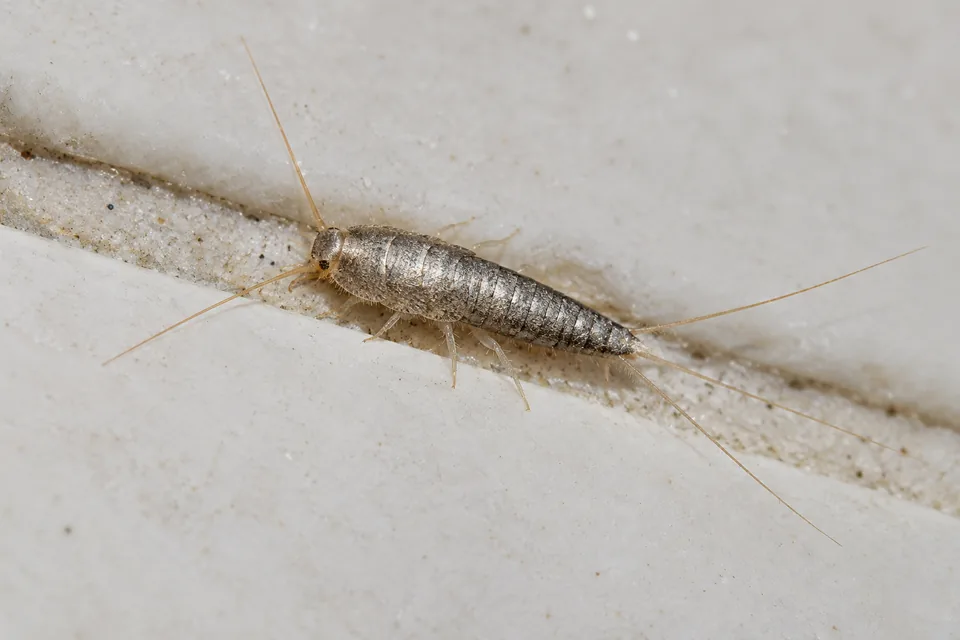
We compare available insects or photographs with the reported conditions. Silverfish-like species need identification, because a similar appearance does not mean that all activity has the same environmental explanation.
- Compare antennae and tail bristles in evidence
- Retain a safe image before cleaning
03
ROOM RESPONSE
Target accessible shelter and routes
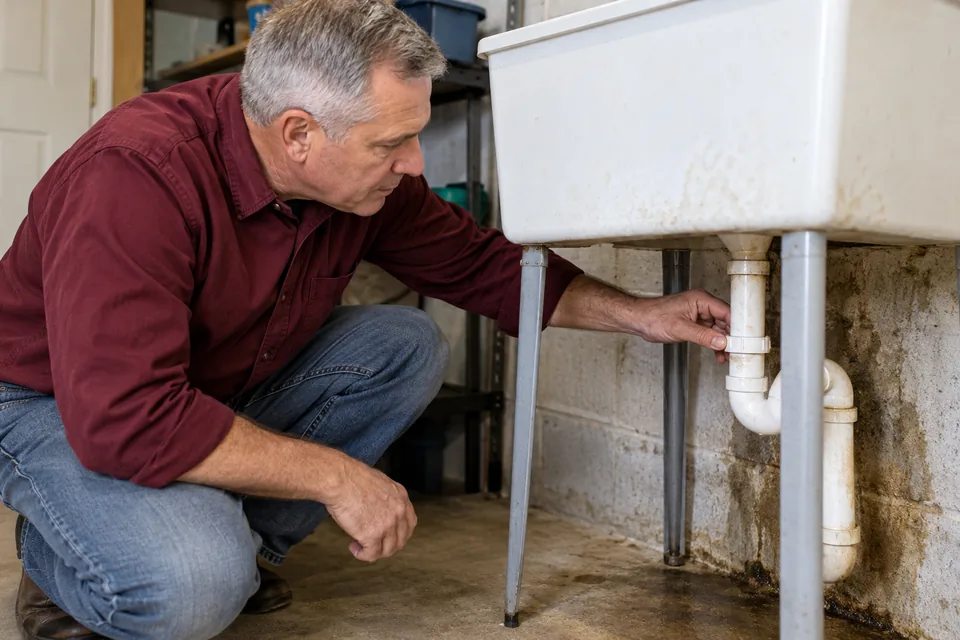
The plan considers cracks, floor edges and relevant stored materials. Monitoring or treatment is discussed alongside access, surface suitability and the repairs or changes that lie outside pest control.
- Inspect sheltered junctions near repeated sightings
- Separate pest actions from plumbing repairs
04
CONDITION REVIEW
Check progress and changed conditions
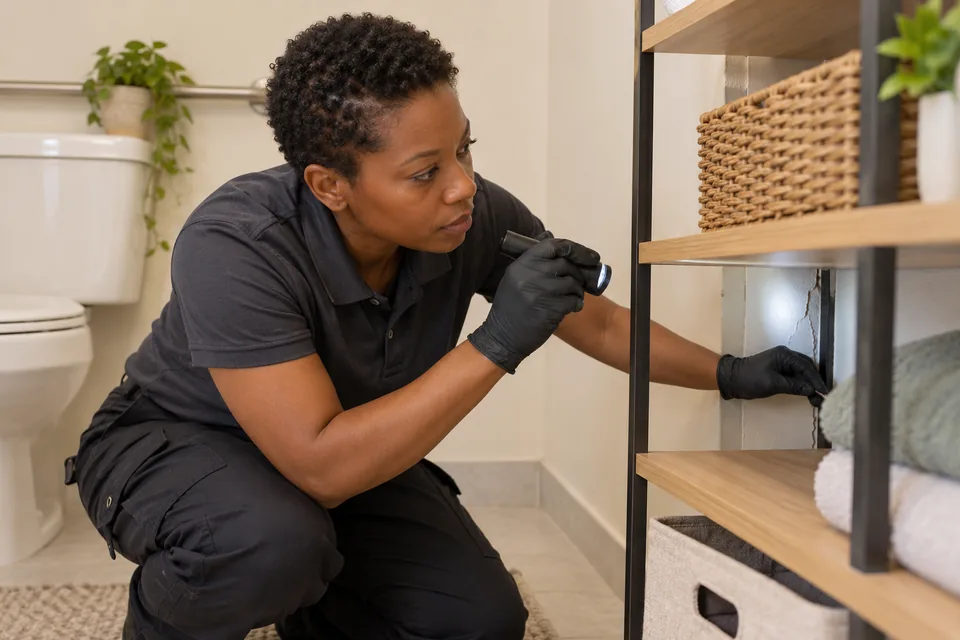
Aftercare links sightings to the rooms monitored and any maintenance completed. We explain what to record and when further assessment is useful, including if activity appears in a different part of the property.
- Record whether sightings spread to new areas
- Review monitoring after agreed maintenance work
READ THE ROOM IN CONTEXT
A sighting is a clue, not a damp survey
Common silverfish are often associated with moisture, but finding an insect does not establish the source or seriousness of a building problem. We ask about condensation, recent plumbing work and visible water damage without replacing the assessment of a plumber or building specialist. The pest inspection and any maintenance diagnosis should remain clearly separated.
Identification matters particularly when activity is reported in several kinds of room. Similar-looking silverfish can have different habits, so an account that does not fit the expected setting deserves a closer look. The response should follow the insect and the evidence, rather than a promise that a dehumidifier or one product will resolve every case.
| Observation | Inspection question | Separate action to discuss |
|---|---|---|
| Insects repeatedly found in a basin | Which nearby shelter is accessible? | Any known plumbing or condensation issue |
| Sightings in several dry-use rooms | Is the insect correctly identified? | Access to linked storage or service areas |
| Activity near damp paper | Which material and room conditions are involved? | Care of the affected belongings |
| Persistent signs after earlier treatment | What was applied and which areas were reached? | A revised assessment rather than automatic reapplication |

BATHROOMS, KITCHENS AND BEYOND
Inspect the shelter around the sighting
The technician checks accessible floor junctions, cabinet edges and other sheltered points related to the sightings. A torch, close visual examination and suitable insect monitoring may help establish the distribution. We discuss any relevant stored paper, packaging or other material that needs examination, while avoiding unnecessary movement into unaffected rooms.
Fixed panels, concealed pipework and closed voids may limit what can be seen. Those areas are not described as inspected simply because they are nearby. If access requires another trade or permission from a managing agent, we explain that requirement and how it affects the proposed plan. You should know which findings are established and which remain possibilities.
If the insect has a different body shape or appears around warm appliances, the separate assessment is explained under Cockroach Treatment ↗
DATES, LOCATIONS AND ROOM USE
Build a useful history before booking
When calling about Silverfish Control Ruislip, describe the insect rather than only its colour. Explain where it was found, whether sightings recur and whether it moves into shelter when disturbed. A clear photograph can assist, but you do not need to catch an insect by hand. Avoid entering an unsafe void to obtain evidence.
We ask about affected rooms, the property type and any previous treatment. Tell us if cleaners, tenants or another occupier have noticed activity elsewhere, and whether the room recently changed use. The purpose is to define sensible inspection access. A broad description such as ‘throughout the house’ is less useful than a short list of dated locations.
Keep existing evidence distinguishable from later findings. If you clean a bathroom or remove damp packaging before the visit, make a note of what changed. This helps the technician interpret a quiet area without assuming that absence during one daytime inspection proves there has been no activity.
MONITORING AND TREATMENT OPTIONS
Choose control around the identified pattern
The findings may justify observation, monitoring, targeted treatment or further investigation of inaccessible shelter. The appropriate response depends on identification, frequency, distribution and the use of the affected space. We explain why a particular approach is proposed, what it can establish or achieve and what would lead to a review.
If a product is selected, the technician considers the intended surfaces, access and occupants before work begins. Tell us about children, pets, aquariums and relevant sensitivities. Instructions for protection, ventilation and use of the area are specific to that method. Do not use a general online re-entry period in place of the advice supplied.
Moisture management can support the plan where relevant, but it should not become a substitute for identification or proof that every concealed area is dry. Agree who will investigate a leak or ventilation concern. Our pest work can highlight a condition requiring attention without including the repair or certifying that the building issue has been corrected.
For silk traces or larval damage to wool rather than silverfish-like insects, compare Moth Control ↗
BEFORE A SILVERFISH VISIT
Open the area while protecting belongings
Obtain the preparation list before emptying the whole room. Access around a cabinet or skirting may be useful, while wholesale redistribution of stored items can obscure the pattern. Tell us if you cannot move a heavy appliance or if an area contains fragile books, artwork or electrical equipment.
Disclose household sprays or other products already used and avoid adding another application while waiting for advice. Cleaning and maintenance should be recorded so the inspection can take changes into account. Where a product application is planned, ask exactly which items should be protected and which surfaces need to remain accessible.
Paper and boxed storage
Describe affected or damp material before discarding it. Keep the room and storage location identifiable, and ask how items should be separated if movement is necessary. Valuable or damaged objects may require specialist care beyond the room treatment.
Appliances and fixed panels
Do not disconnect an appliance or remove a fixed panel solely for the inspection without agreement. Explain the access restriction first so suitable arrangements can be considered. Pest work does not include electrical or plumbing alteration by assumption.
AGREE THE WORK AND ITS LIMITS
Silverfish control from £184
The confirmed starting price is From £184. The quotation reflects the inspection findings, affected rooms, access and the agreed monitoring or treatment work. A few recurring bathroom sightings and identified activity across several connected rooms may require different coverage. Ask how those findings affect the scope rather than comparing prices by room count alone.
Confirm the total payable and any follow-up arrangements before booking. Plumbing repairs, specialist building investigations and care of damaged belongings are separate matters unless expressly included. If preparation or access changes, tell us before the visit so that the proposed work remains realistic. No fixed visit count is assumed for every silverfish problem.
The homepage sets out the broader evidence-led approach at Pest Control Ruislip ↗
| Factor | Information needed | Effect on scope |
|---|---|---|
| Distribution | Dated sightings in identified rooms | Inspection and monitoring coverage |
| Fixed access limits | Panels, appliances or shared areas | What can be reached during the visit |
| Surface or item sensitivity | Books, finishes and occupied work areas | Method suitability and protection |
| Previous control | Products used and later activity | Review requirements and possible further investigation |
AFTER CONTROL OR MONITORING
Measure change in the same places
Leave any monitors in their agreed positions and record findings by date and location. Moving them between rooms makes the pattern harder to interpret. Follow the cleaning instructions for the chosen method and check which areas should remain undisturbed. A further insect sighting is information for the review, not a reason to add another unplanned product.
Report whether activity is becoming less frequent, remaining persistent or appearing in a new place. Also record relevant maintenance, room heating or storage changes so these can be discussed alongside pest observations. The follow-up decision considers the whole account and the access achieved, rather than requiring every customer to wait the same number of days.
Once activity is managed, keep inspection access practical. Avoid allowing stored material to hide a previously affected junction indefinitely. Continue to report recurring moisture to the person responsible for the property. A clear record is particularly useful where pest visits and building repairs are being arranged by different people.
Questions about silverfish control
Does a silverfish in the bath mean it came from the drain?
Not necessarily. Finding an insect in a smooth-sided fitting does not establish the route into the room. The technician considers nearby shelter and repeated sightings. Describe where it was found and any relevant plumbing history rather than assuming the drain is the source.
Will drying the room always remove silverfish?
Moisture reduction may be relevant, especially for common silverfish, but identification and the extent still matter. Similar-looking species can behave differently. We discuss room conditions alongside evidence and any proposed monitoring or treatment, without treating a dehumidifier as a guaranteed answer.
Can you repair the leak during pest treatment?
Leak investigation and repair are separate building tasks. We can explain an observed concern and how it affects pest assessment, but you should arrange an appropriate tradesperson for the repair. Confirm responsibilities so pest work and maintenance can be coordinated sensibly.
Should I throw away books found near silverfish?
Do not discard a whole collection without assessing the evidence. Explain which items appear affected and where they were stored. Handling or conservation advice may be needed for valuable material. The room inspection helps establish the pest issue but does not restore damaged objects.
Why would monitoring be recommended before treatment?
Monitoring can help clarify frequency, distribution and the rooms involved when evidence is incomplete. The technician should explain its purpose and how findings will be reviewed. It is a defined next step, rather than an assumption that every sighting requires immediate product application.
What if sightings continue after the bathroom is repaired?
Report the dated pattern and details of the maintenance completed. Persistent activity can justify reviewing identification, accessible shelter and other rooms. A repair and a pest-control visit address related but different questions, so the next assessment considers both rather than automatically repeating the original work.
Discuss the signs at your property
Call our 24/7 service on +44 20 3966 2607. We will discuss the information needed for an inspection and confirm appointment availability.