
RUISLIP · HA4 · AVAILABLE 24/7
Mice Control Ruislip
Mice control starts with finding where activity is happening, how mice move through the property and what supports them. We inspect accessible areas in Ruislip homes and businesses, discuss suitable control and explain monitoring and proofing in a sequence that fits the findings.
01
READ SIGNS
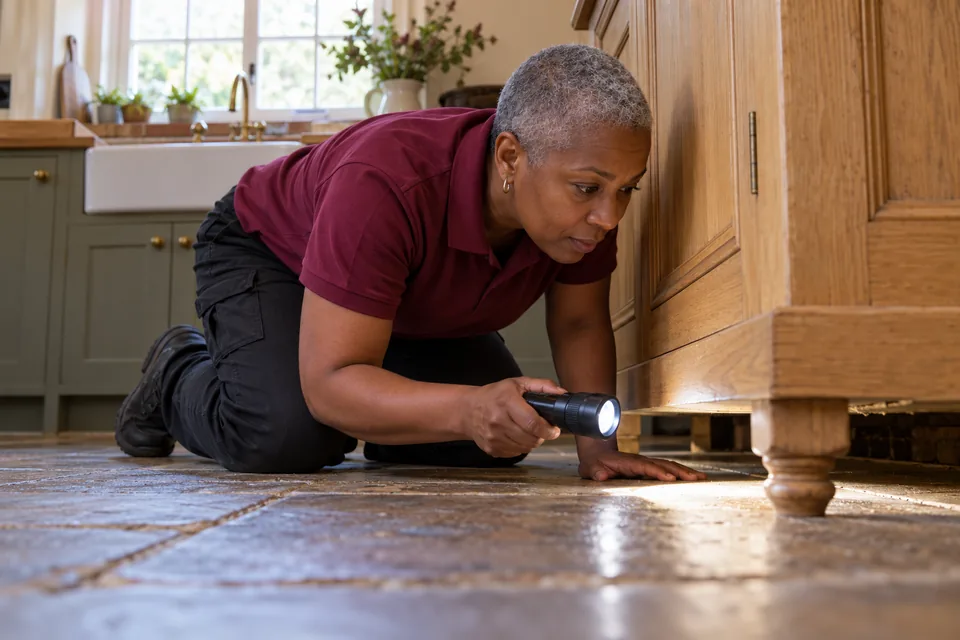
Establish where mice are active
We compare droppings, gnawing and reported sightings with the way each room is used. The first task is to establish what the evidence supports, rather than treating every sound as mice.
- Record mouse sightings by room and date
- Check packets and surfaces for recent gnawing
02
TRACE ROUTES
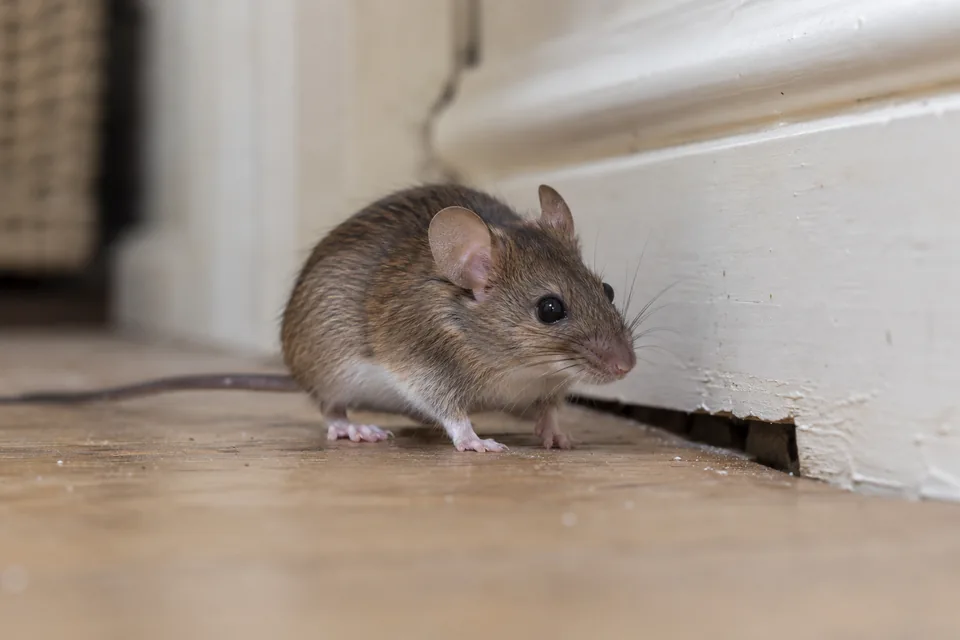
Follow concealed routes into rooms
Accessible pipe penetrations, cabinet voids and door edges help explain movement. We distinguish a route within the building from a confirmed outside entry so that proposed repairs address the right place.
- Examine accessible pipe penetrations behind units
- Separate internal travel gaps from exterior entry
03
AGREE CONTROL
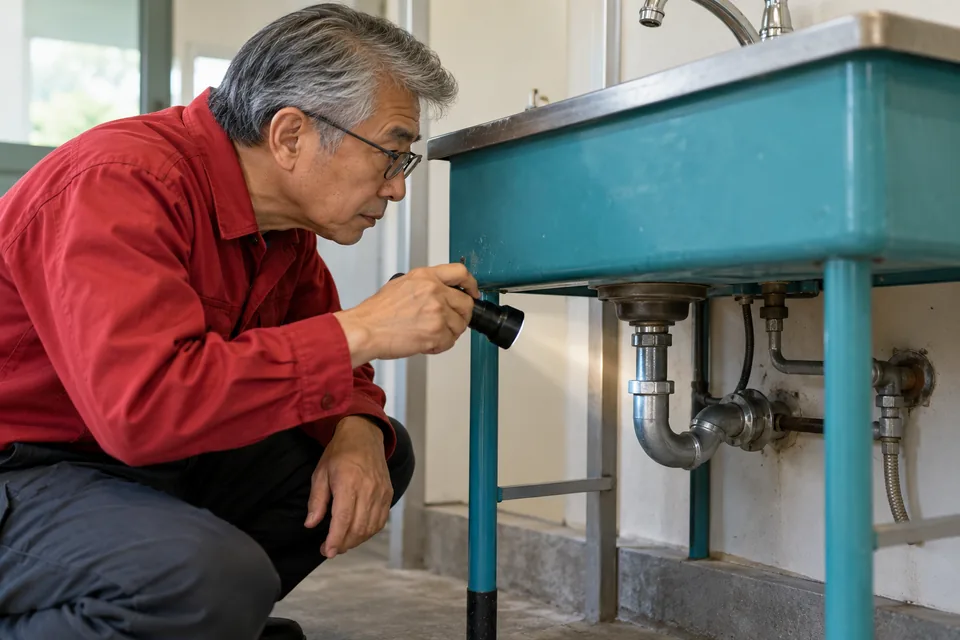
Choose control around the property
The method follows identification, access and the people or animals using the space. We explain proposed placements and restrictions, and agree any work before control measures are put in position.
- Discuss mouse control placements before work
- Explain restrictions around each control point

04
REVIEW ROUTES
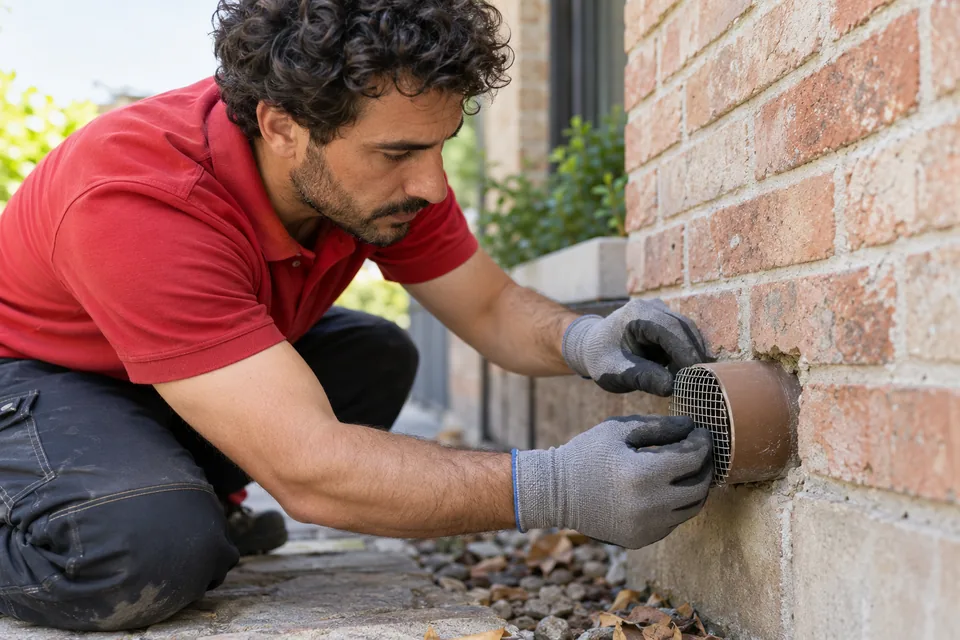
Check progress before final proofing
New signs and monitoring results guide the review. We explain which gaps need attention, when work should happen and how to distinguish a continuing route from evidence left before treatment.
- Compare new mouse signs with the initial record
- Sequence proofing around the observed activity
START WITH THE EVIDENCE
One cupboard can reveal a wider route
Tell us which cupboard, room or appliance first drew your attention. A sighting beside the fridge means something different from unexplained noises above a ceiling. During the enquiry we ask when signs appeared, whether they have changed and whether food packets or belongings are affected. A photograph may help if it can be taken without touching droppings or moving a heavy appliance. You do not need to identify the mouse yourself.
At the visit, the technician compares those reports with accessible evidence. Droppings, gnawing, shelter and routes are considered together. The position of a sign is useful, but it does not show every space a mouse has used. The inspection records where access was possible and where fixed fittings, stored items or unsafe conditions limited the assessment. Those limits help you understand the proposed scope rather than assuming that every void has been inspected.
ROOMS, SIGNS AND LIMITS
What the inspection needs to establish
The inspection usually begins around the reported activity and expands where the evidence points. In a kitchen, accessible cabinet bases, food storage and service routes may matter. A utility room or adjoining cupboard can provide a connection even when no mouse has been seen there. In a business, explain deliveries, waste routines and periods when the space is unoccupied so the findings can be understood in context.
Old signs can remain after previous activity, so explain earlier treatment and cleaning. We aim to distinguish what is happening now from evidence that cannot be dated confidently. A suspected species is not treated as confirmed just because the animal was small. If the findings suggest another rodent or an uncertainty that affects control, that should be resolved before selecting a method.
If larger droppings or outside burrows suggest a different rodent, read how the rat inspection considers external routes. Rat Control Ruislip ↗
| Finding | Inspection question | What happens next |
|---|---|---|
| Gnawed packets in one cupboard | Is food supporting local activity? | Inspect adjacent accessible storage and routes |
| Droppings behind an appliance | Can the area be examined safely? | Agree access and record any limitations |
| Noises in a void | Is there supporting evidence of mice? | Assess signs before selecting a control method |
| Signs in a shared cupboard | Who controls the adjoining space? | Coordinate permission and access |
METHOD AND SAFETY
Plan control around the mouse routes
Suitable mouse control may involve physical control measures, monitoring or an authorised product where justified. The choice depends on the confirmed pest, activity, access and risks at the property. There is no single placement plan for every kitchen. A torch and inspection tools help examine accessible edges; monitoring can help clarify where movement continues. The technician explains the purpose of any proposed control point and the instructions that apply to it.
Tell us about pets, children, vulnerable occupants and food preparation before treatment is agreed. Control measures need to be positioned and managed so that people and non-target animals are protected. Products are used only as their authorisation and instructions allow. Do not add household poison or move a placed item to another room while a plan is in progress. Report a restriction you cannot follow so an appropriate arrangement can be discussed.
BEFORE THE VISIT
Make the affected edges accessible
Preparation should improve access without scattering the evidence. Explain which cupboards you can empty safely and whether an appliance is fixed in place. A mouse inspection does not require you to dismantle the kitchen yourself. If you rent, arrange access with the person responsible for the visit and tell us who can authorise a repair or a change to the agreed work.
Keep a short note of affected packets, sightings and sounds. Protect food and pet food in suitable closed storage, and ask about cleaning suspected contamination rather than brushing it around the room. Share any existing treatment instructions and identify products already used. This avoids treating an unexplained box or packet behind a unit as if it were part of the current plan.
Cupboards and stored food
Identify the cupboards with signs and ask which contents should be moved. Keep unaffected food protected and avoid transferring potentially affected packaging into clean storage.
Appliances and shared access
Tell us about fixed appliances, inaccessible plinths and communal service cupboards. Heavy or connected equipment should only be moved with appropriate permission and safe arrangements.
Repeated daytime movement around the roof needs a different assessment from low-level mouse signs. Squirrel Control Ruislip ↗
AFTER CONTROL BEGINS
Review activity, not just the last sighting
A review uses the pattern of evidence. Note fresh signs with a date and exact location, especially if they appear beyond the area originally discussed. Keep the agreed control and monitoring points undisturbed. The technician can then compare what you report with what was found at the inspection. Moving a station or cleaning a monitoring point without advice can remove information needed to judge progress.
Ask before the visit ends how follow-up is arranged, whether it forms part of the quoted work and what should prompt an earlier call. A quiet night does not establish that every route is resolved, while an isolated old dropping does not establish continued activity. If signs persist, the next step may be to reassess access, the scope of the affected area or a route that was previously concealed.
PRACTICAL PREVENTION
Close the right gap at the right stage
Proofing begins with an explanation of the route, not a promise to fill every opening. Gaps around services, low-level doors and damaged fabric can need different repairs. Some accessible work may be within the agreed scope; other work may need a builder, landlord or managing agent. Confirm who is responsible and whether the repair is included before assuming the treatment visit covers it.
The sequence matters where mice remain active in concealed areas. The technician should explain which openings can be addressed and which need further assessment first. Long-term prevention also involves reliable food storage and waste routines rather than relying only on treatment. Keep the recommendations available after the immediate signs stop, especially when later plumbing or kitchen work creates fresh openings.
See the wider inspection, treatment and prevention approach before arranging a visit. Pest Control Ruislip ↗
| Area | Practical consideration | Decision to agree |
|---|---|---|
| Service pipe gaps | The visible opening may connect to a concealed route | Timing and suitable repair responsibility |
| External door edge | Wear or damage may allow low-level access | Appropriate maintenance after assessment |
| Food and pet supplies | Accessible food can support continuing activity | Closed storage and cleaning routine |
| Shared building fabric | One occupier may not control the full route | Landlord or managing-agent coordination |
QUOTE THE ACTUAL SCOPE
Mice control from £184
The starting price is From £184. Your quote depends on the affected areas, access, proposed method and agreed visits. Describe the property and whether the signs involve a single room, several floors or a shared space. Ask for the total payable, the included inspection and treatment work, and the arrangements for any later review. A headline starting amount does not define every property-specific inclusion.
You can call our 24/7 team if mouse activity is affecting food storage, a sleeping area or business use. Explain what cannot currently be used and who is affected. We discuss the appropriate next step and confirm appointment availability during the call. We confirm the access needed when arranging the visit.
Questions about mice control
Will one mouse sighting tell you how many are inside?
No. A sighting identifies a place and time, not the number present. We compare it with droppings, gnawing and accessible routes. Explain whether there have been repeated sightings and which areas show signs so the inspection can assess the extent.
Should I remove my kitchen plinths before you arrive?
Ask first. Some plinths are straightforward to access, while others are fixed, fragile or conceal services. Explain your kitchen layout during the call. Preparation should improve safe access without damaging fittings or moving evidence away from the area being investigated.
Can you inspect a flat when the route seems communal?
We can discuss the accessible parts of your flat, but a shared route may require permission from a landlord or managing agent. Tell us about communal cupboards or adjoining units before booking so the inspection limits and any coordination are clear.
Does proofing form part of every mouse treatment?
The agreed quote determines what is included. We can identify relevant gaps and discuss the sequence, but substantial building repairs may need another trade. Ask which work is proposed, who will carry it out and whether a separate price is needed.
What should I record between mouse visits?
Keep a simple dated note of fresh droppings, sightings, sounds and affected packaging, with exact locations. Leave control and monitoring points undisturbed. This helps distinguish a continuing route, activity in a new area and evidence remaining from before the visit.
Can I keep using the room during mouse control?
Room use depends on the agreed placements and instructions. Explain food preparation, pets, children and any area you cannot restrict. The technician should discuss the conditions for safe use; do not assume every control method has the same access requirements.
Describe the rooms affected and any access restriction so the enquiry starts with useful information. Contact our Ruislip team ↗
Discuss the signs at your property
Call our 24/7 service on +44 20 3966 2607. We will discuss the information needed for an inspection and confirm appointment availability.