
RUISLIP · HA4 · AVAILABLE 24/7
Bed Bug Treatment Ruislip
Bed bug treatment starts with finding physical evidence and understanding which sleeping or resting areas are involved. We inspect accessible furniture, explain the options and agree preparation and follow-up around your property. Call at any time to discuss what you have found before moving belongings between rooms.
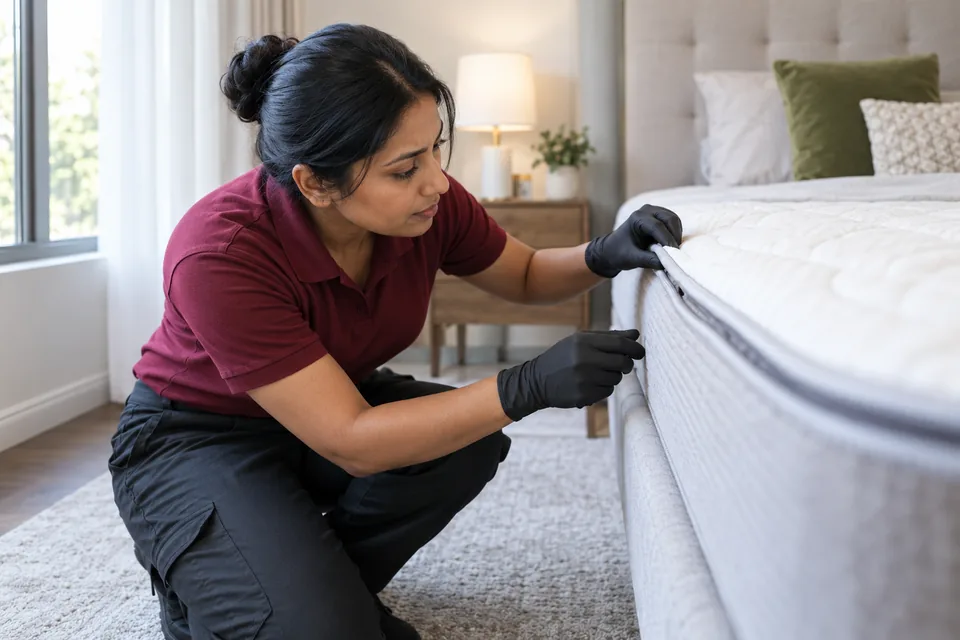
01
CONFIRM SIGNS
Check the evidence around beds
We look beyond a bite report, checking accessible seams, frame joints and nearby furniture for insects and associated signs before recommending treatment for the affected rooms.
- Examine mattress seams and frame joints
- Record insects and associated spotting
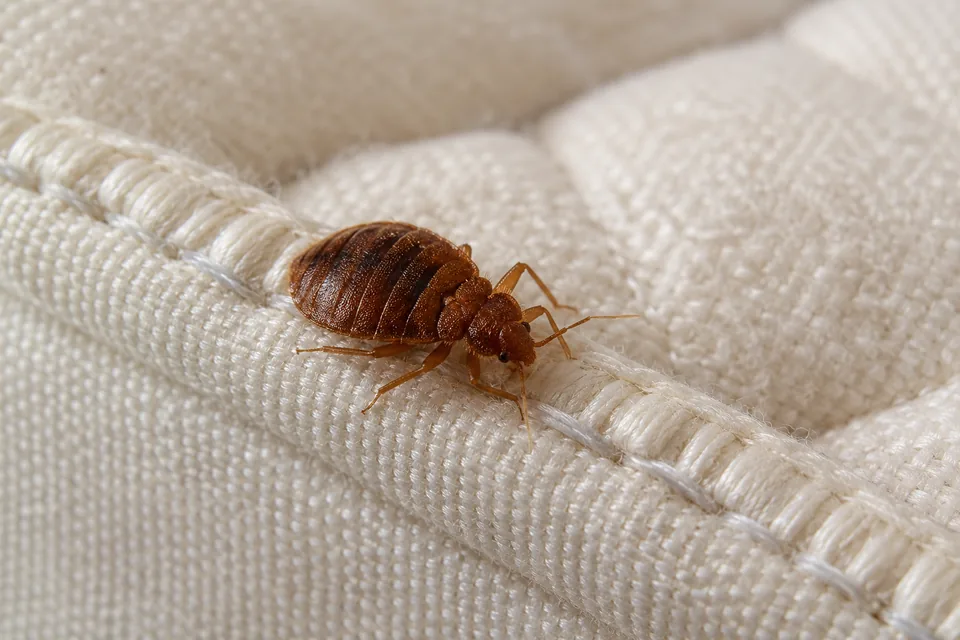
02
DEFINE EXTENT
Understand the rooms involved
The inspection follows room use and the location of findings, including nearby seating and adjoining accessible areas where the evidence suggests a wider problem needs assessment.
- Compare findings across sleeping areas
- Inspect nearby seating and storage
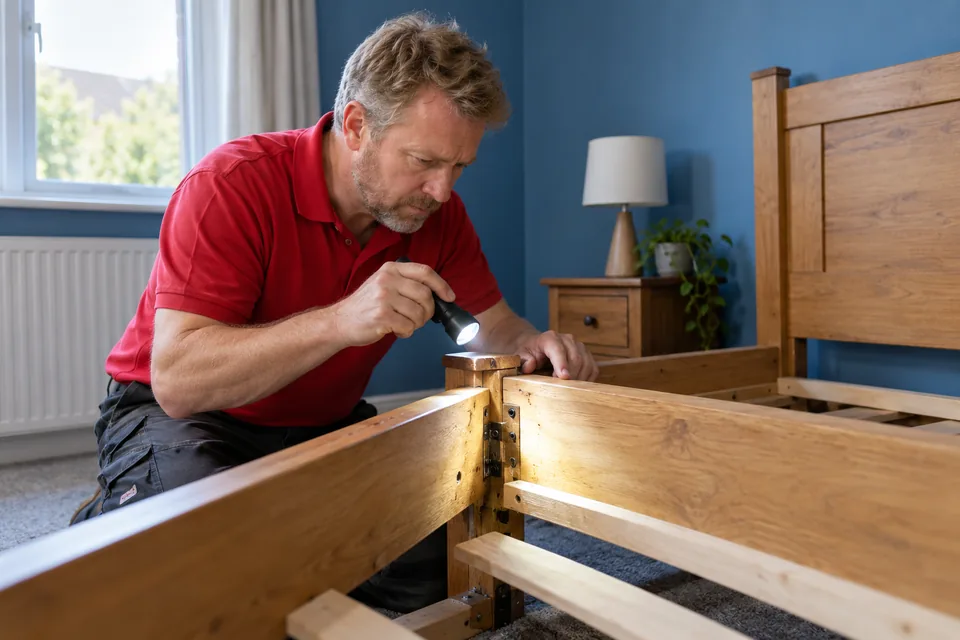
03
AGREE WORK
Prepare for the chosen approach
We discuss suitable treatment, the access required and how belongings should be managed. Written instructions explain the tasks to complete and the restrictions that apply during the visit.
- Agree a room-specific preparation list
- Explain restrictions before work starts
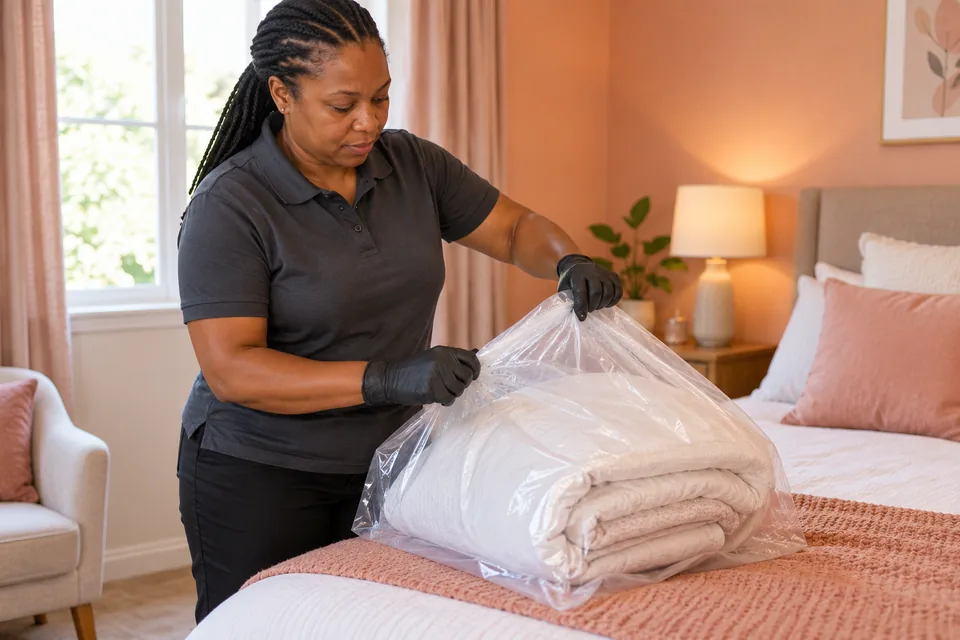
04
ASSESS PROGRESS
Review activity after the visit
Aftercare sets out cleaning restrictions and the signs to record. The follow-up arrangements reflect the findings and method, with changes in activity used to guide the next assessment.
- Log new signs by room and date
- Reassess activity against the visit record

SLEEPING AREAS UNDER REVIEW
Evidence first, before belongings move
Tell us which room first raised concern and whether you have seen an insect, dark spotting, shed skins or another physical sign. Describe when it appeared and whether that room is regularly occupied. A photograph can help narrow the enquiry, but bites or a photograph alone may not settle the identification. We need to consider the evidence together with where it was found.
Leave useful signs in place until you have discussed the inspection. Do not carry a suspect mattress into a hall, move bedding onto another bed or redistribute furniture to create space. These changes can confuse the original pattern and may transfer activity. The first visit is easier to plan when the technician knows which items remain where they were when the problem was noticed.
MORE THAN THE TOP OF A MATTRESS
A survey that follows the furniture
The technician checks accessible mattress edges, the bed structure, headboard fixings and nearby furniture as appropriate. A torch and other inspection tools can help examine joints that are difficult to see in ordinary room light. Upholstered seating matters if someone regularly rests or sleeps there. The survey is directed by findings rather than an assumption that every mark in a bedroom is caused by bed bugs.
Explain any boxed storage beneath the bed, wall-mounted fittings or furniture that cannot be moved safely. A concealed cavity or inaccessible joint creates a limit that needs recording. If evidence extends beyond the original room, we discuss the additional area and any permission needed before enlarging the work. In shared accommodation, the person arranging the visit should know who can authorise access to neighbouring rooms.
If you want to compare a monitored heat approach, read about Bed Bug Heat Treatment Ruislip ↗
A DEFINED TREATMENT SCOPE
What the findings change
Physical findings help separate identification, extent and the choice of method. Old spotting may remain after a previous infestation, while a live insect gives different information. Tell us when earlier treatments took place and what happened afterwards. Photographs from before cleaning can support the history, particularly when furniture or occupants have changed since the signs were first reported.
We explain which rooms and items are included in the proposed plan and what cannot be established from the available access. A treatment aimed at the wrong pest or an incomplete area is a poor starting point. If the findings remain uncertain, further inspection or monitoring may be more appropriate than immediately applying a product throughout a room.
| Finding | Inspection question | Effect on the plan |
|---|---|---|
| Live insect near a bed | Can its identity be confirmed? | Establish the pest before selecting a method |
| Spotting without a live insect | Is the sign current or from previous activity? | Use history and further evidence to define uncertainty |
| Evidence on a sofa | Is this a regular resting or sleeping place? | Assess the seating alongside the bedroom |
| Inaccessible furniture joint | What can be inspected safely? | Record the limit and discuss access |
OPTIONS EXPLAINED BEFORE AGREEMENT
Choosing treatment around the inspected space
The treatment discussion considers accessible harbourages, furniture construction, the spread of signs and how the space is used. Different situations may call for different combinations of physical measures and suitable products. Heat is a separate option requiring its own assessment, rather than something automatically included in every bed bug visit. We explain the proposed approach without assuming one method will fit every bedroom.
Ask what work takes place during the visit, what you need to prepare and whether a review or further visit forms part of the quote. The technician should also know about products you have already applied, including their location. Adding a shop-bought spray while waiting can alter the situation and may interfere with the planned approach, so discuss it before using anything further.
Where the evidence points to jumping insects around pet resting areas, see Flea Treatment Ruislip ↗
WRITTEN ROOM INSTRUCTIONS
Prepare without spreading the problem
Preparation is tailored to the method and the property. You may need to provide access to furniture, arrange laundry or manage belongings in an agreed way. Wait for those instructions before emptying a room into a clean space. If a task is beyond your physical ability, explain this before the appointment so the access and scope can be discussed realistically.
Keep a copy of the preparation advice for anyone helping with the visit. A family member, cleaner or managing agent needs the same information, particularly about which items should remain in the room. Confirm how access will be provided on the day, where people and animals will stay, and who can make decisions if the inspection identifies an additional affected area.
Bedding and laundry
Ask which items need handling and how they should be contained before leaving the affected room. Follow fabric-care information and the supplied treatment preparation list rather than applying a single laundry routine to every possession.
Pets and occupied rooms
Tell us about animals, aquariums and anyone who cannot leave the affected space. Access and re-entry restrictions must be discussed for the chosen method before the appointment, not discovered when work is due to start.
ACCESS, SAFETY AND RECORDS
During the agreed treatment visit
Before work proceeds, the technician checks that the agreed preparation and access are available. A significant difference from the original description can require a revised plan. The work should follow the identified areas and the selected method, with any restrictions made clear to the people using the property. Do not remain in a restricted room simply to watch the treatment being carried out.
The visit record should make it possible to understand what was inspected, which areas were treated and any remaining limitations. Keep the instructions about re-entry, ventilation and cleaning. These depend on the actual work and cannot be replaced by a universal waiting period on a website. If you are arranging treatment remotely, identify someone who will receive and pass on those instructions.
For the wider inspection and prevention approach, return to Pest Control Ruislip ↗
OBSERVE THE PATTERN
What to record before the follow-up
After treatment, ask when cleaning may resume and which areas should remain undisturbed. Record further insects or signs with the room, position and date rather than relying only on a general impression. Some methods continue working over time, and later activity needs interpreting against the treatment record. Report signs in a different room as well as changes in the original location.
The review looks at activity, access and any changes to the room since the visit. New furniture, moved belongings or a return from travel can affect that discussion. Follow-up is not simply another application by default: the findings help determine whether the original approach needs continuing, an overlooked harbourage needs attention or another source of introduction should be considered.
| Subject | What to clarify | Useful information at review |
|---|---|---|
| Cleaning | Which areas must remain undisturbed? | Any cleaning or furniture movement since treatment |
| Further insects | Which signs should prompt a call? | Date, room and exact position |
| Room use | What restrictions apply to this method? | Changes in occupancy or sleeping arrangements |
| Follow-up | What review is included or recommended? | Comparison with the original findings |
CONFIRM THE TOTAL BEFORE BOOKING
Bed bug treatment from £204
The starting price is £204. The quotation depends on affected rooms, furniture access, preparation and the agreed treatment and review arrangements. Ask what is included in the total payable and whether any further visit is covered. Heat treatment is assessed separately. Do not assume that the lowest starting amount describes the cost of treating every room in a larger property.
Our enquiry line is available 24/7 if findings are affecting an occupied bedroom or accommodation you manage. Give the postcode, evidence and room use, together with any previous treatment history. We discuss the appropriate appointment and confirm availability during the call. The time of arrival and treatment scope are agreed for the actual situation rather than promised from an online description.
To discuss room access and the evidence before booking, use Contact Us ↗
Questions about bed bug treatment
Do itchy marks prove there are bed bugs?
No. A skin reaction does not identify the pest. We look for physical evidence in the room and consider when and where signs appeared. If the marks themselves are causing concern, seek appropriate health advice separately from the property inspection.
Must I throw away my mattress before the visit?
Not automatically. Discarding an item can be unnecessary and moving it through the building may spread activity. Keep it where it is and discuss its condition, construction and treatment access first. Any disposal decision should follow the inspection and an agreed handling plan.
Will the inspection include the sofa?
Tell us if anyone sleeps or rests on it, or if signs have been found there. Seating close to an affected bed can also be relevant. The inspection scope is agreed around the evidence and access rather than assuming all activity is confined to the mattress.
What if I have already sprayed the bed frame?
Explain which product was used, where it was applied and when. Keep the packaging information if available. This helps the technician interpret the findings and assess the proposed approach. Avoid applying another product before advice, particularly in a room already awaiting treatment.
Should I move to a different bedroom?
Discuss sleeping arrangements before changing them. Carrying bedding and belongings into another room can transfer activity, and a change in room use affects how the problem is assessed. The advice depends on the method and circumstances, so explain any immediate difficulty during the enquiry.
How will we decide whether treatment has worked?
Agree the signs to record and the review arrangements before the visit ends. Dated observations, the original inspection record and access to relevant furniture make that discussion more useful. A single later sighting needs interpretation and should be reported rather than treated independently.
Discuss the signs at your property
Call our 24/7 service on +44 20 3966 2607. We will discuss the information needed for an inspection and confirm appointment availability.