
RUISLIP · HA4 · AVAILABLE 24/7
Carpet Beetle Treatment Ruislip
A beetle on a windowsill and larvae damaging a stored rug are different findings. We inspect carpet beetle concerns in Ruislip, trace vulnerable materials and agree a treatment and cleaning plan that addresses the source while protecting the belongings you want to keep.
01
LARVAL TRACES
Examine skins and damaged fibres
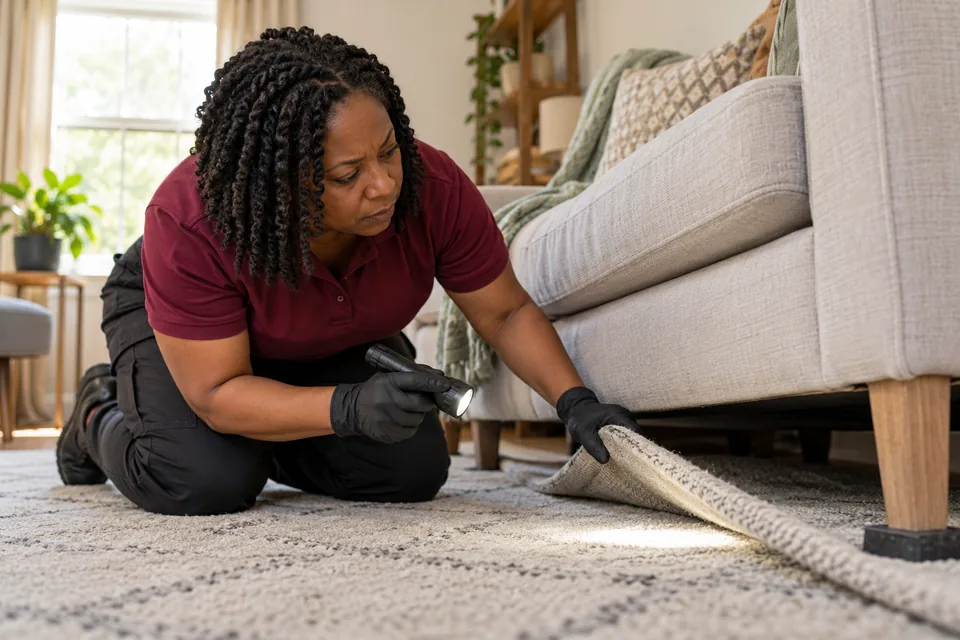
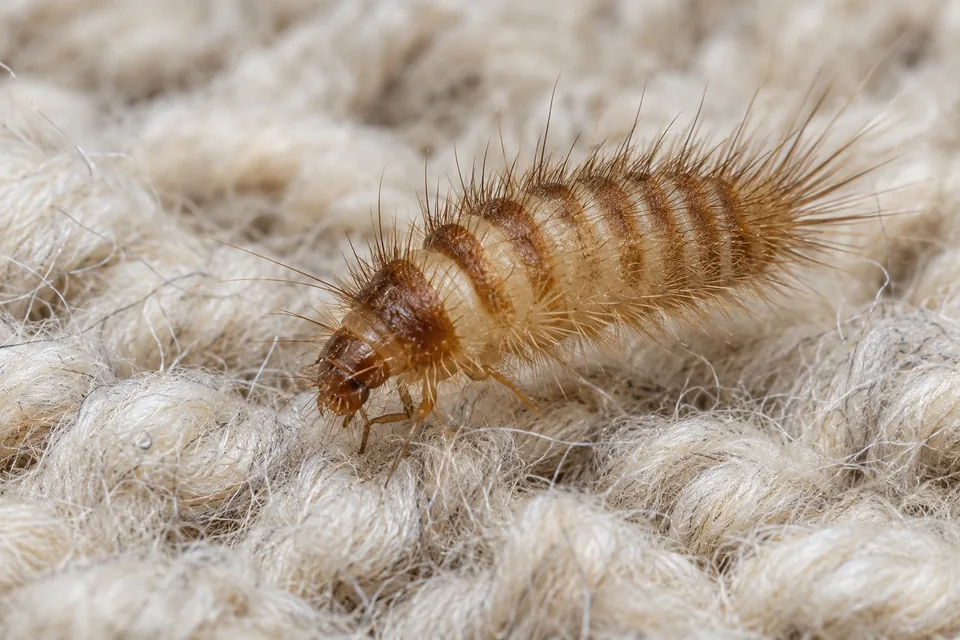
We look for larvae, shed skins and the material around them. Adult beetles are recorded too, but a windowsill sighting does not reveal where a larval source may be hidden.
- Compare cast skins with damaged textile edges
- Distinguish adult sightings from larval evidence
02
MATERIAL ROUTE
Trace shelter and overlooked debris
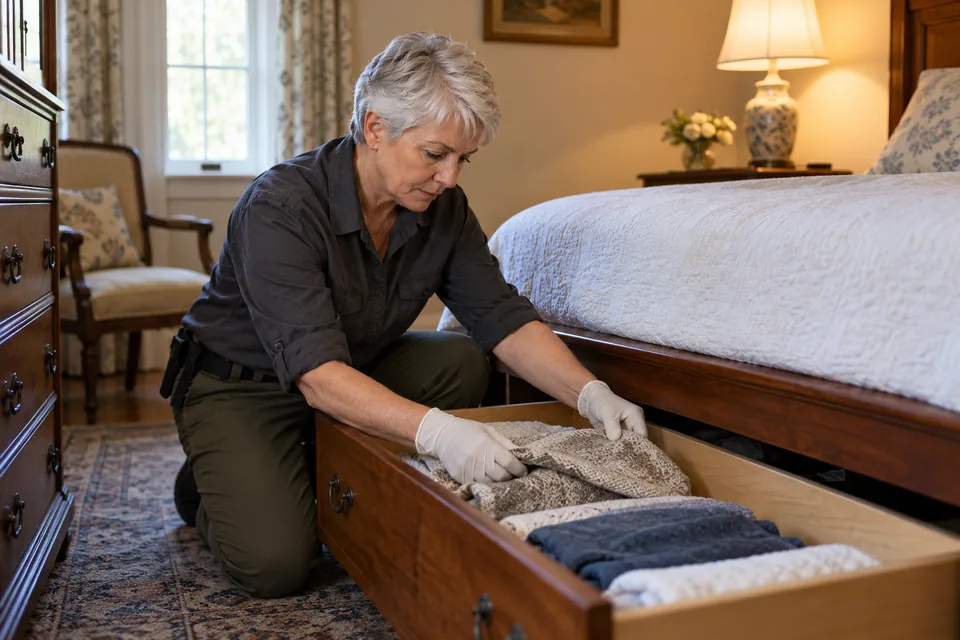
The inspection follows accessible furnishings, stored natural fibres and accumulations connected with the signs. We identify what can be reached and what would need separate permission or specialist access.
- Inspect debris beneath seldom-moved furnishings
- Trace affected materials back to their storage
03
TARGETED WORK
Match the response to the source
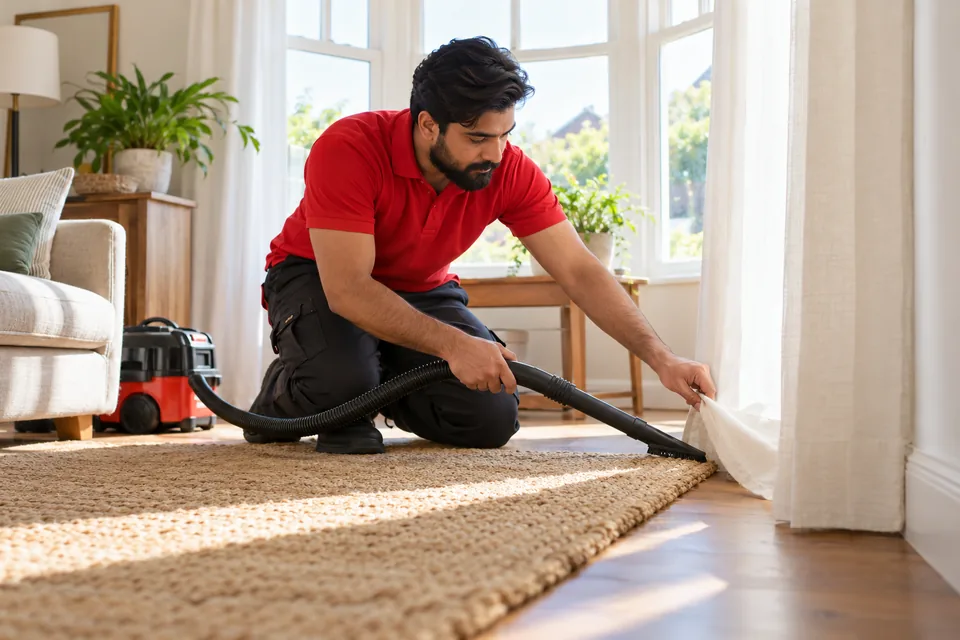
Treatment is considered with source removal and directed cleaning. The plan separates room work from care of delicate objects, so a fabric’s condition and instructions remain part of the decision.
- Agree cleaning around the identified larval source
- Protect delicate items before room application
04
FRESH EVIDENCE
Check for newly developing activity
Aftercare uses a record of the original findings to guide later checks. Fresh larvae or further damage are reviewed in context rather than judging progress only by occasional adult beetles.
- Photograph original marks for later comparison
- Report fresh larvae in previously clear storage

FROM OBJECT TO SOURCE
Keep the damaged item connected to its location
Before rearranging the room, note where the material was kept and which part appears affected. A photograph of the whole item in place, followed by a closer view of insects or skins, gives the inspection useful context. If several belongings are involved, identify them separately instead of mixing everything into one bag.
The first conversation asks about the fabric, the type of damage and the evidence actually found. Tell us about stored woollens, feather-filled items, upholstery or collections containing animal material. These details help set an appropriate inspection scope. An adult beetle seen near a window may be relevant, but it does not prove that every carpet or garment needs treatment.
IDENTIFICATION SHAPES THE NEXT STEP
Separate adult beetles from feeding evidence
Carpet beetle larvae can damage natural materials, while the adult stage has a different role. The technician therefore looks beyond the adult’s appearance and considers the traces around affected belongings. Hairy larvae, cast skins and damage need examination together; holes alone can have several explanations, including another textile pest or an older event.
We record the distribution rather than assuming the nearest visible item is the source. An isolated skin, repeated larvae in a storage area and damage across several rooms are different starting points. Where identification remains uncertain, further observation or examination is discussed before committing to a treatment that may not address the actual cause.
When silk cases or webbing accompany textile damage, compare the source-led inspection under Moth Control ↗
| Finding | Inspection focus | Decision supported |
|---|---|---|
| Adult at a window | Identification and nearby material history | Whether a wider source check is justified |
| Hairy larvae or cast skins | Accessible shelter and associated fibres | Where larval activity may be centred |
| Damage on a wool item | Edges, folds and related storage | Item care and room inspection scope |
| Similar holes without insects | Age of damage and alternative causes | Whether more evidence is needed before application |
BELONGINGS NEED THEIR OWN PLAN
Decide what to clean, retain or assess separately
Room treatment and care of an affected object are related but separate decisions. A rug, coat, stuffed specimen or old upholstered chair may require very different handling. We explain which material should be made accessible and ask you to identify items whose value, fragility or construction rules out ordinary cleaning.
Do not discard all furnishings before the inspection or apply a household product directly to delicate material. Useful evidence can be lost and the chosen process may damage the item. Where a specialist cleaner or conservator is appropriate, that work should be arranged with a clear understanding of the object’s condition and the pest findings.
Clothing, blankets and loose natural fibres
Keep the original storage locations identifiable. Follow the agreed containment and cleaning instructions, including care labels. Avoid returning a cleaned item to unchecked storage simply because the item itself has received attention.
Collectable, antique or feather-filled items
Explain the construction and any known conservation restrictions. The inspection can identify a pest concern without establishing a safe object-treatment method. Obtain suitable specialist advice before using heat, chemicals or an untested cleaning process on valuable material.
DIRECTED EXAMINATION
Look for the material that sustains larvae
The technician may inspect accessible carpet margins, furniture undersides, storage corners and accumulations of hair or debris relevant to the evidence. A torch and close visual examination help connect larvae or skins with the surrounding material. Access is agreed before heavy furniture is moved, and inaccessible areas are recorded rather than assumed clear.
Source tracing can extend beyond the damaged object. Concealed organic material or an inaccessible building area may warrant further assessment, but that is not a reason to open a roof space or disturb a nest yourself. We explain the suspected connection, the limits of the visit and whether another trade or specialist needs to become involved.
Previous cleaning and product use are also relevant. Explain what was removed, where it came from and whether activity returned. That history may show that the visible damage received attention while a supporting source remained. Keeping the sequence clear helps the technician decide which areas need inspection rather than simply repeating the earlier work.
For scuttling insects and damage involving paper or damp storage, see Silverfish Control ↗
AGREE COVERAGE BEFORE STARTING
Treat the accessible problem, not just the visible insect
The method is selected after considering identification, active evidence, source access and the materials involved. Directed cleaning and removal of supporting material can form an important part of the plan. Where a product is proposed, its suitability for the intended area and the property’s occupants must be considered before work begins.
Tell us about children, pets, aquariums and any room that cannot be vacated. The technician explains the working area, protection requirements and conditions for return. These are specific to the selected approach. A statement that a product is suitable somewhere in a home is not permission to apply it to every furnishing.
Agree what the visit can cover and what remains outside its scope. If the suspected source is concealed or a fragile object cannot be managed through ordinary preparation, the limitation should be explicit. You should understand what has been treated, what needs separate care and what evidence would justify a revised plan.
AFTERCARE WITH A REFERENCE POINT
Make later checks comparable with the first visit
Photographs and notes of the original damage help distinguish a lasting mark from fresh activity. Follow the cleaning instructions for the chosen method and leave any monitoring in its agreed position. Do not add another insecticide or move treatment points because an old hole remains visible.
The review considers fresh larvae, further material damage and the pattern of adult sightings alongside source-management work completed. Report dates and precise storage locations. A finding in a new room may require a different discussion from a single adult at the same window. Follow-up is agreed around the evidence and method, not a fixed promise for every property.
For the overall inspection and prevention approach, return to Pest Control Ruislip ↗
| What changes | What to record | Why it matters |
|---|---|---|
| Fresh larvae appear | Exact item, room and date | Helps reassess source access and coverage |
| New material damage develops | Comparison with original photographs | Separates active change from old marks |
| A source is cleaned or removed | Location and work completed | Shows whether supporting material has been addressed |
| Adults are seen again | Frequency and sighting position | Adds context without proving larvae are in every room |
PRICE THE MATERIAL AND ACCESS REQUIREMENTS
Carpet beetle treatment from £184
The confirmed starting price is From £184. The final quotation reflects the extent, accessible areas, proposed method and any agreed later visits. Material sensitivity and the source investigation can influence the work, so the most useful enquiry explains what is affected and where rather than providing only a floor area.
Confirm what the price includes, whether follow-up is included and the total payable before booking. Specialist care of an object, heavy furniture movement or a concealed-space investigation may need separate arrangements. If preparation changes or an area cannot be accessed, tell us before the visit so that the planned coverage remains realistic.
PREVENTION FOR STORED AND USED MATERIALS
Keep the source from becoming hidden again
Once affected materials have been managed, organise storage so the relevant edges and items can be checked again. Directed cleaning should address the identified source and nearby debris, rather than merely polishing the visible surface of a room. Do not place cleaned belongings back among material that has not been assessed.
For a rented or shared property, pass the written advice to the person responsible for maintenance and access. If a concealed source needs another specialist, agree who will arrange it and what findings should be reported afterwards. This avoids treating separate tasks as though they were automatically completed during the room visit.
Our telephone service is available 24/7. If a collection, stored garment or furnishing is showing continuing damage, explain the material and evidence during the call. We discuss suitable next steps and appointment availability. Keep the object and its location identifiable while waiting for advice, rather than starting an untested treatment in a hurry.
To explain the affected material and arrange an inspection discussion, use Contact Us ↗
Questions about carpet beetle treatment
Does one carpet beetle by a window mean the carpet is infested?
No. An adult sighting does not establish where larvae are feeding or whether a particular carpet is affected. The inspection considers the insect, material damage and larval traces together. Record the sighting and describe any affected belongings before deciding what work is needed.
How are carpet beetle signs different from clothes moth signs?
Hairy larvae and cast skins can point towards carpet beetles, while textile moths may leave silk traces or cases. Damage can overlap in appearance, so holes alone are insufficient. Keep a clear photograph and let the inspection compare the associated evidence.
Do I have to throw away an affected rug?
Not automatically. The item, condition and extent need assessment, and care may be separate from treatment of the room. Avoid applying a product or an untested heat process before advice. A suitable cleaner or conservator may be needed for valuable or delicate material.
Could the source be somewhere other than the damaged garment?
Yes. Source tracing considers connected storage, furnishings and relevant accumulations, not just the most visible hole. If evidence suggests concealed material, the technician explains the access limit and any separate assessment needed. Do not disturb building spaces or nesting material yourself.
Will existing holes disappear after treatment?
No. Treatment addresses pest activity rather than repairing textile damage. Record original marks so later checks can identify fresh change. Further larvae, new damage or activity in another storage area should be reported with dates for an evidence-based review.
Can room treatment protect a museum or private collection by itself?
Collection material may need specialist examination, handling and conservation alongside room work. Explain the objects and restrictions before the visit. A pest treatment does not establish which cleaning or object-treatment method is safe for every specimen, antique or composite material.
Discuss the signs at your property
Call our 24/7 service on +44 20 3966 2607. We will discuss the information needed for an inspection and confirm appointment availability.