
RUISLIP · HA4 · AVAILABLE 24/7
Rat Control Ruislip
Rat control needs a view of the property beyond the room where a rat was seen. We assess accessible indoor and outside signs, discuss a suitable response and review the routes or conditions that could allow activity to continue. Call our Ruislip team 24/7 to describe the problem.
01
MAP ACTIVITY
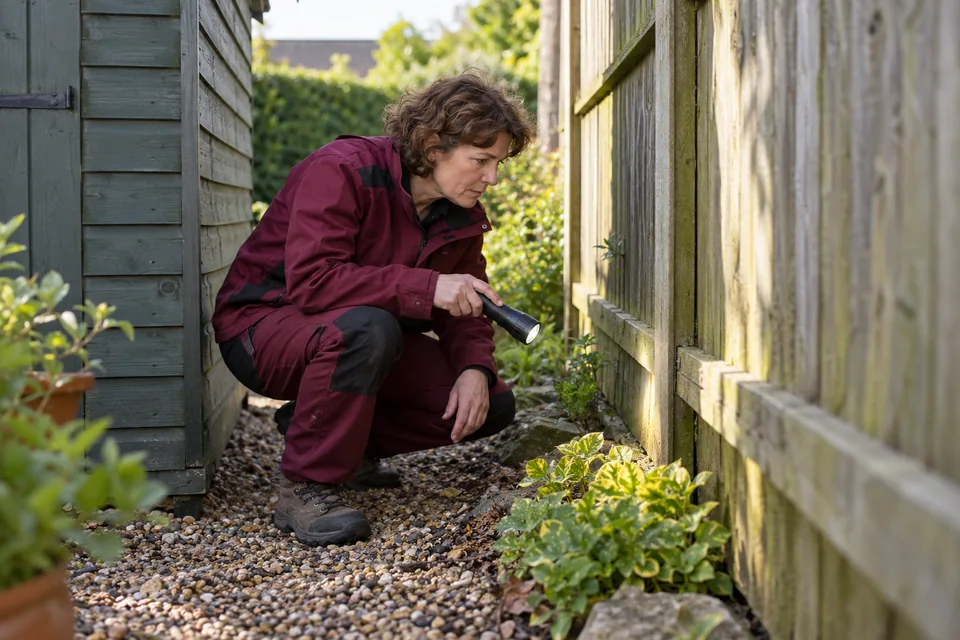
Connect garden signs with indoor reports
Burrows, runs and reported sightings help build a picture of the affected area. We compare them with indoor evidence rather than assuming that a rat outside has already entered the building.
- Locate rat runs and burrows without disturbing them
- Connect indoor reports with accessible outside evidence
02
EXAMINE ACCESS
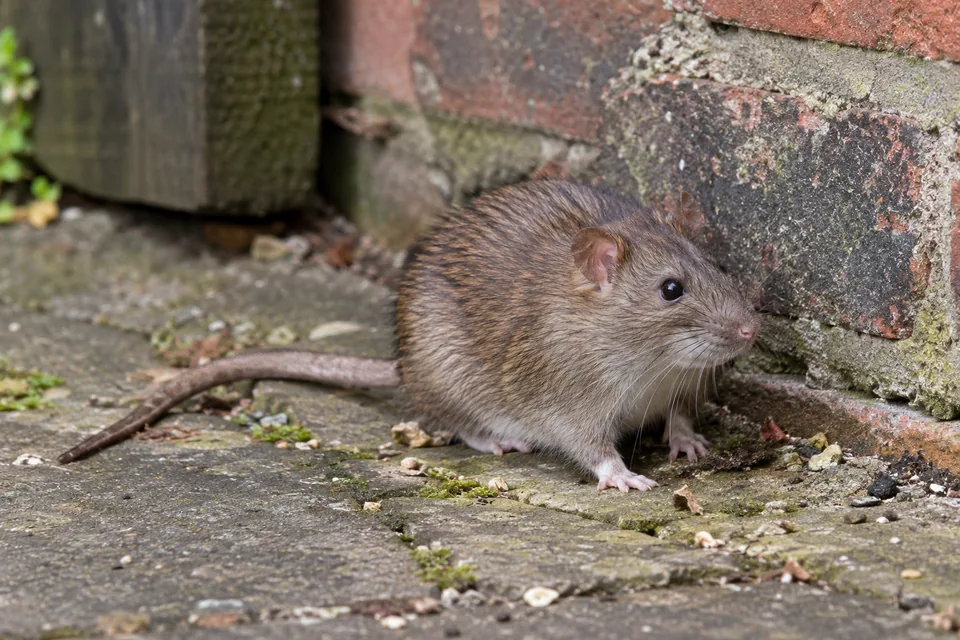
Check the route before the repair
Ground-level openings, service routes and possible drainage concerns are considered where accessible. An inspection can identify a question that needs another specialist without claiming to see beneath every floor or drain.
- Assess ground-level openings and service connections
- Flag drainage questions for appropriate investigation
03
MANAGE CONTROL
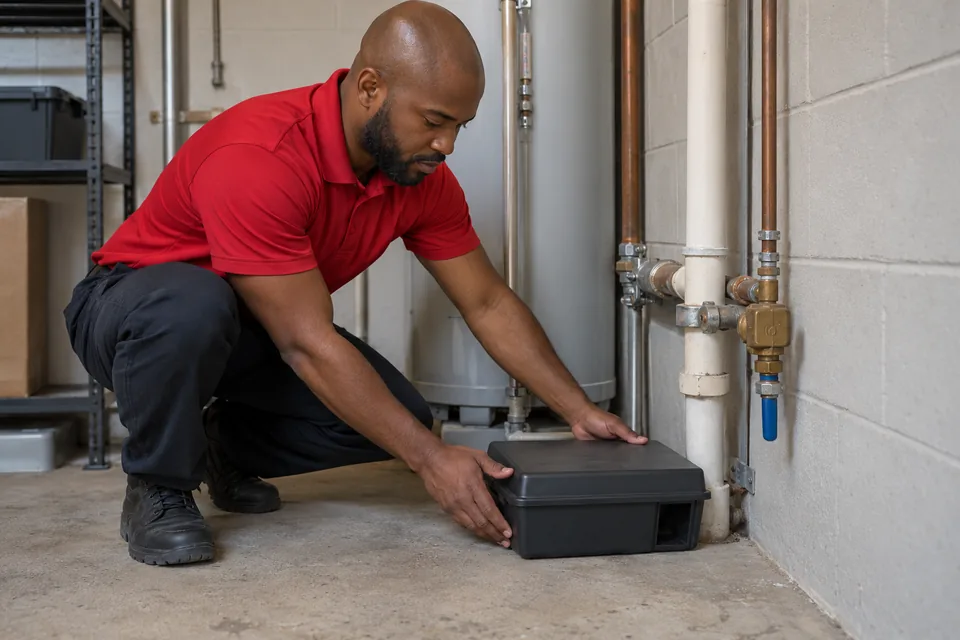
Agree safe control at relevant points
We discuss the method and its placement around the actual findings. Pets, wildlife, children and food handling influence the arrangements, and any proposed restrictions should be clear before work starts.
- Agree secure rat control locations with the occupier
- Identify non-target access before placing measures
04
REASSESS SIGNS
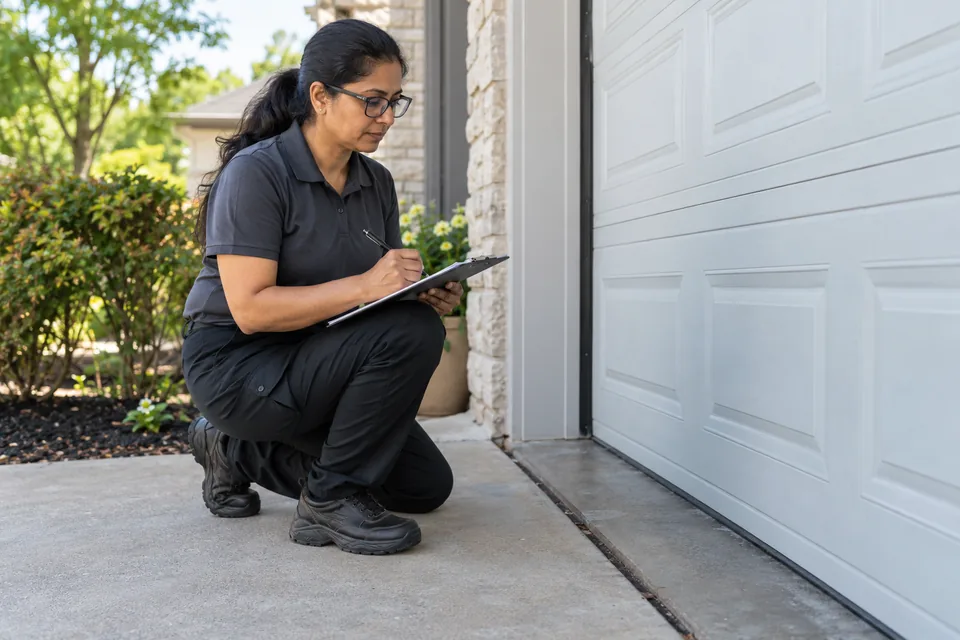
Use monitoring to guide the next step
The review compares fresh evidence with the starting record. Continued movement may indicate an unresolved route, while a change in feeding or room use can alter the response being assessed.
- Review dated rat sightings against monitoring findings
- Assign route repairs after the control assessment
BEYOND THE FIRST ROOM
The inspection starts at the boundary
Describe the first sighting and what has happened since. A rat passing along a fence, a repeatedly used burrow and movement beneath a kitchen floor are different starting points. We ask about the position, timing and frequency of signs, and whether food, waste or stored materials are nearby. Tell us about neighbouring works or changes to the property, but avoid treating a suspected connection as an established cause.
The enquiry also covers the type of premises and who can provide access. An outside inspection may involve a garden, bin store, shed or passageway as well as the affected building. In a shared property, identify the person who controls communal areas. The visit should be scoped around places we can actually inspect; access to one flat does not establish conditions in adjoining units or a shared drainage system.
OBSERVATION BEFORE ASSUMPTION
Which signs help define the problem?
Droppings, gnawing, visible runs and burrows can help locate activity, but the findings need to be interpreted together. Old damage may remain after a previous problem. Tell the technician which areas were recently cleaned and what treatment has already been attempted. If there has been no confirmed sighting, identification remains part of the work rather than a box ticked during the telephone call.
We consider the relationship between outside shelter, food availability and any evidence within the property. Accessible room edges and service penetrations can reveal potential connections. A visual inspection cannot certify every concealed void or underground route. Where access is limited, the findings should explain what is known, what remains uncertain and whether further investigation would materially change the control plan.
Smaller signs around kitchen units can need a different rodent assessment; compare the mouse inspection approach. Mice Control Ruislip ↗
| Reported finding | Useful inspection focus | Limit to recognise |
|---|---|---|
| Rat crossing a garden | Frequency, direction and nearby food or shelter | A passing sighting does not confirm indoor entry |
| Repeated burrow activity | Position and relationship to accessible structures | Do not disturb it to test whether it is occupied |
| Signs beside service pipes | Accessible gaps and connecting evidence | The condition of concealed drains is not visible |
| Droppings inside a cupboard | Identification and adjacent accessible routes | Older signs may remain after earlier activity |
A PROPERTY-SPECIFIC RESPONSE
Place control around use and access
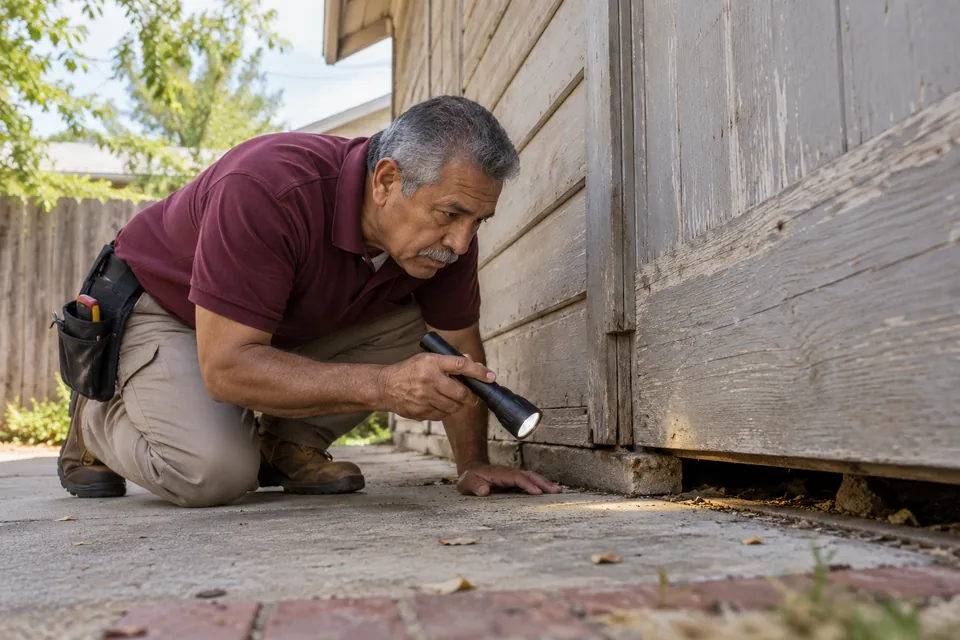
The control decision considers the confirmed rodent, the distribution of signs, available access and the setting. Physical control or authorised products may be appropriate, but the equipment is selected after the assessment. Inspection lighting, suitable monitoring and secure control equipment can support the work. The plan should state what each proposed measure is intended to do and what review is needed.
Outside placements require attention to pets and other wildlife as well as people using the property. Indoors, food storage and occupied rooms affect practical arrangements. Explain visiting animals, children and anyone who might move an unfamiliar box. Products must be used as authorised and directed. Do not relocate, open or supplement control measures yourself; tell the technician if a placement conflicts with how the space must be used.
Daytime movement around a roof is assessed through the squirrel service rather than assumed to be rats. Squirrel Control Ruislip ↗
BEFORE THE INSPECTION
Prepare information, not a cleared garden
There is no need to disturb a burrow or strip out stored materials just to demonstrate the problem. Note locations from a safe position and explain which paths or doors provide access. Keep pets and children away from affected or restricted areas. Do not handle a rat or suspected contamination. If a room cannot currently be used, mention it during the call so the immediate concern is understood.
Make a record of previous baits, traps or other treatments, including their locations if known. Identify waste arrangements, pet feeding and bird feeding without assuming that one change will resolve the entire problem. The inspection can then discuss which conditions are relevant and what should happen before control begins. Heavy clearance, building repair and specialist cleaning should not be assumed to be included in a routine treatment quote.
Garden and outbuilding access
Tell us about locked side gates, shared passages and sheds. Arrange permission for areas outside your tenancy or ownership before the appointment where possible.
Business and food areas
Identify a contact who understands opening hours, food handling and waste collection. Explain any area that must remain operational so restrictions can be considered before work.
MONITOR THE PATTERN
What changes between inspection and review?
The review is based on changes in activity rather than a promised date by which every rat will disappear. Record new sightings, burrow use or signs in previously unaffected places. Keep monitoring and control points in their agreed locations. Ask how the technician wants you to report changes and when an observation should prompt a call before the planned review.
If activity continues, the findings may call for a revised assessment of the route, accessible area or environmental conditions. A new food source or a repair that redirects movement can change the picture. Explain any work completed between visits and avoid treating the original plan as permanent regardless of the evidence. Confirm which reviews are included in your quotation and how additional work would be agreed.
Read how the wider service connects inspection, suitable treatment and prevention. Our Ruislip pest control approach ↗
| What changes | What to report | Possible next discussion |
|---|---|---|
| New indoor signs | Room, date and exact position | Whether the assessed area needs extending |
| Repair completed | Location, date and any access closed | How the repair affects route interpretation |
| Waste or feeding changes | New storage or routines | Whether a supporting condition remains |
| Control measure disturbed | Which item and what happened | Safe reinstatement and reliable monitoring |
REDUCE THE CONDITIONS THAT SUPPORT RATS
Coordinate repairs after the route assessment
Prevention is often shared between the occupier and the people responsible for the building. Relevant measures can include secure waste storage, appropriate management of food sources and repairs to identified entry routes. The recommendations should identify the actual condition and a sensible responsibility, rather than instructing every household to complete the same list regardless of the inspection findings.
Ask which accessible proofing can form part of the agreed work and which defects require a builder, drainage contractor or managing agent. The timing should account for current activity and the route being addressed. Keep the recommendations after the immediate signs reduce. Later building works, damaged doors or changed waste storage can create new conditions that the original visit could not have prevented indefinitely.
SCOPE BEFORE BOOKING
Rat control from £184
Our confirmed starting price is From £184. The affected areas, access, treatment decision and agreed visits influence the final quote. Tell us whether evidence is outside only, indoors or across several spaces. Ask for the total payable and a clear explanation of treatment, monitoring and follow-up inclusions. Separate surveys, substantial proofing or repairs need to be identified rather than assumed to form part of the starting price.
Call 24/7 when rat activity disrupts a food area, bedroom or essential business space. Describe the signs, postcode and people affected. We discuss the suitable response and confirm appointment arrangements during the call. Keep the area restricted as appropriate while waiting for advice, but do not attempt to catch a rat or dismantle fittings to obtain more evidence.
Give the postcode and explain whether the problem affects outside space, occupied rooms or business use. Discuss a rat enquiry ↗
Questions about rat control
Does a rat in the garden mean there are rats indoors?
Not necessarily. The inspection considers where the animal was seen, whether signs recur and whether there is evidence of a route into the building. Tell us about indoor sounds or damage separately so the plan reflects findings rather than assuming a connection.
Can you tell whether a drain is broken during a normal visit?
Accessible evidence may suggest a drainage question, but a routine visual inspection cannot establish the condition of underground pipes. A suitable specialist survey may be needed. Ask whether that investigation is proposed, who arranges it and whether it is separately priced.
Should I fill an active burrow before the inspection?
Avoid disturbing the area before advice. Its position and signs of use can help assess the activity and route. Describe it from a safe location, keep pets and children away and let the technician discuss what action is appropriate after assessing the property.
Will rat treatment involve poison in every property?
No single method is specified for every visit. The technician considers identification, activity, access and risks, including non-target animals. Suitable physical control, monitoring or authorised products may be discussed. Ask why the chosen approach fits the findings and what restrictions apply.
What if rats are using a neighbour’s or communal area?
Explain the suspected connection without entering an area you do not control. The visit can assess accessible evidence, while shared or adjoining spaces may need coordinated permission. A managing agent or other owner may need to arrange access or repairs beyond your property.
Can work continue in our premises during rat control?
That depends on the affected areas and the agreed measures. Identify food handling, public access and operational restrictions before booking. The technician should explain placements and access requirements so the responsible contact can decide how work is managed around the treatment plan.
Discuss the signs at your property
Call our 24/7 service on +44 20 3966 2607. We will discuss the information needed for an inspection and confirm appointment availability.